Author
Books like Budd Schulberg
3 books we recommend to Budd Schulberg readers, drawn from What Makes Sammy Run? — each with the reason why.
If you loved What Makes Sammy Run?
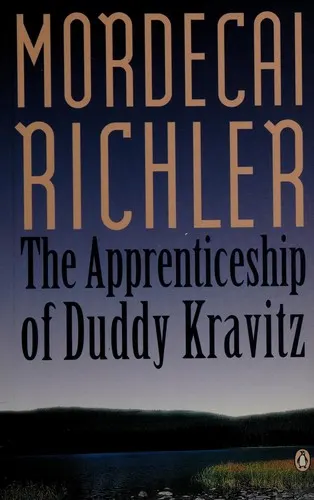
Duddy is Sammy’s closest literary cousin—not because their careers resemble each other, but because both turn grievance, hunger, and quick intelligence into engines of self-invention. Richler follows a poor, ferociously alert Montreal boy who regards every relationship as either leverage or obstruction. His hustle is exhilarating until its human cost becomes impossible to ignore.
A Canadian classic and Richler’s breakthrough novel, it has the same rare moral tension as Schulberg’s book: you recoil from the climber while understanding exactly why standing still feels like death to him. Richler is funnier, warmer, and more socially expansive than Schulberg, which makes Duddy’s choices sting all the more.
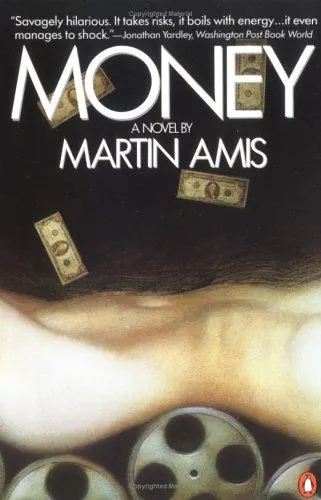
If Schulberg’s speed, venom, and exposure of show-business appetites were the chief pleasures, Money is essential. John Self, an advertising man attempting to make his first film, narrates in a voice saturated with booze, pornography, junk food, vanity, and self-disgust. He is less a calculating predator than a civilization’s cravings given a wallet and a mouth.
Often regarded as Amis’s defining novel, Money turns moral squalor into dazzling verbal comedy. Its sentences swagger, lurch, and detonate; its entertainment world is not merely corrupt but absurdly eager to be corrupted. Sammy races upward, while Self hurtles in every direction—but both books make degradation horribly, hilariously readable.
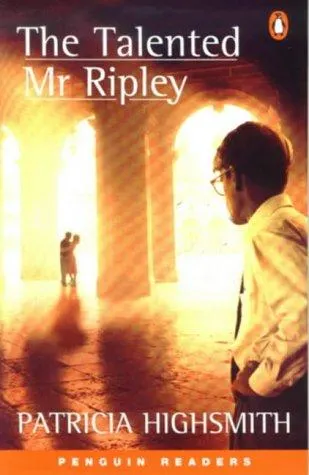
Highsmith offers the purest version of Schulberg’s most disturbing achievement: making ruthless self-advancement feel intimate and suspenseful. Tom Ripley begins as an anxious young man with a talent for improvisation and a desperate wish to escape his shabby life. Once Highsmith places you inside his watchful mind, each social performance becomes a small act of danger.
The novel introduced one of twentieth-century fiction’s most enduring antiheroes and began a five-book sequence, yet its power is still startlingly fresh. Like Sammy, Tom studies what other people possess—ease, status, belonging—and treats identity as something that can be acquired through nerve. You may not approve of a single calculation, but Highsmith ensures you feel the thrill of every one.