Author
Books like Brian Aldiss
3 books we recommend to Brian Aldiss readers, drawn from Greybeard — each with the reason why.
If you loved Greybeard
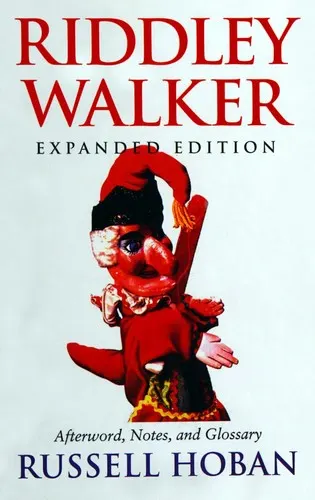
Hoban’s ruined England feels, like Aldiss’s, both ancient and postmodern: roads, rituals, scraps of technology, and half-understood stories have weathered into folklore. Young Riddley narrates in a fractured future English that initially demands patience, then becomes inseparable from the world it describes.
What truly links the novels is their sense that civilization survives less through institutions than through wandering tales, jokes, superstitions, and stubborn human curiosity. Dark, earthy, and unexpectedly funny, Riddley Walker has become one of postwar speculative fiction’s most admired cult classics. Its language alone makes it an experience no other novel can supply.
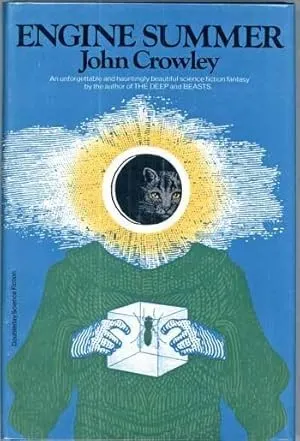
Rush That Speaks grows up in a small future community whose customs preserve only glimmers of the civilization that preceded it. He leaves home in search of a girl called Once a Day, but Crowley makes the journey feel like a remembered folktale—lucid, pastoral, and always shadowed by loss.
A Greybeard reader will recognize the quiet magic of walking through a world that has outlived its explanations. Crowley’s prose is lighter and more crystalline than Aldiss’s, but it carries the same mingling of affection and melancholy: human arrangements vanish, while landscape and story endure. Engine Summer is cherished by readers of literary science fiction precisely because its final effect is so difficult to name and impossible to forget.
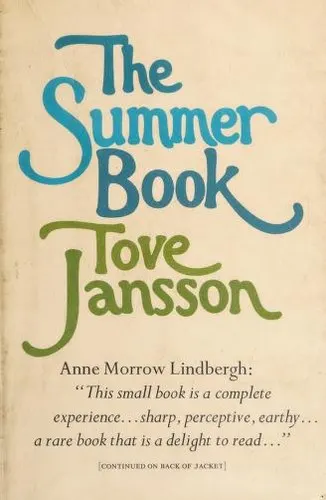
There is no apocalypse here. Instead, an elderly woman and her young granddaughter spend a summer on a tiny Finnish island, arguing, exploring, inventing games, and confronting nature’s indifference. Jansson refuses to sentimentalize either childhood or old age; both are fierce, impatient, imaginative states.
That makes The Summer Book a profound companion to Greybeard. It shares Aldiss’s attention to weather, water, bodily frailty, dry comedy, and the dignity of people living close to mortality. A beloved modern classic, it achieves in a few spare pages what many larger novels cannot: an entire world, intimate and elemental, in which endings make every ordinary pleasure more vivid.