Author
Books like Bonnie Garmus
3 books we recommend to Bonnie Garmus readers, drawn from Lessons in Chemistry — each with the reason why.
If you loved Lessons in Chemistry
Margery Benson, an overlooked schoolteacher in postwar England, abruptly sets out to find an insect that may not exist, accompanied by the spectacularly unsuitable Enid Pretty. What begins in comic mismatch becomes an unusually moving portrait of female friendship.
Like Bonnie Garmus, Joyce writes eccentric women with affection but no condescension. Her humor sharpens the novel’s anger at lives narrowed by other people’s assumptions, while her gift for tenderness makes reinvention feel genuinely possible. Readers devoted to Joyce’s *The Unlikely Pilgrimage of Harold Fry* will recognize her ability to turn an improbable quest into something intimate and necessary. Elizabeth Zott would respect Margery’s refusal to surrender her curiosity—and you may find this pair even harder to leave.
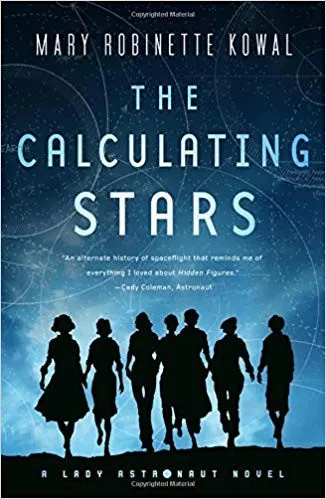
A 1952 catastrophe forces humanity to accelerate its plans for space, and mathematician and former wartime pilot Elma York immediately sees the contradiction: women are essential to the program’s calculations but deemed unsuitable to fly.
This Hugo-, Nebula-, and Locus-winning novel delivers the particular pleasure of watching an exceptionally capable woman expose institutional absurdity with evidence, persistence, and nerve. Yet Elma is not an invulnerable emblem; her anxiety, marriage, ambition, and gradual recognition of prejudices beyond her own give the story emotional weight. The science is lucid, the obstacles infuriating, and the momentum irresistible. If Elizabeth’s competence made you cheer, Elma’s campaign for the stars will have you cheering louder.
Stradal makes brewing beer feel as absorbing as Garmus makes chemistry: a discipline of exact measurements, sensory judgment, patience, and imagination. Across generations of a Midwestern family, women build lives through work that others underestimate or fail to see.
The kinship lies in the novel’s respect for competence. Recipes, labor, financial risk, and accumulated expertise are not decorative details; they reveal character. Stradal also shares Garmus’s generous tonal balance—family wounds matter, but so do appetite, absurdity, perseverance, and the possibility of repair. Warm without becoming sugary, this is the sort of novel whose characters begin to feel like people you have known for years. Missing it would mean missing one of contemporary fiction’s most satisfying celebrations of women who know exactly what they are doing.