Author
Books like Bernardine Evaristo
3 books we recommend to Bernardine Evaristo readers, drawn from Girl, Woman, Other — each with the reason why.
If you loved Girl, Woman, Other
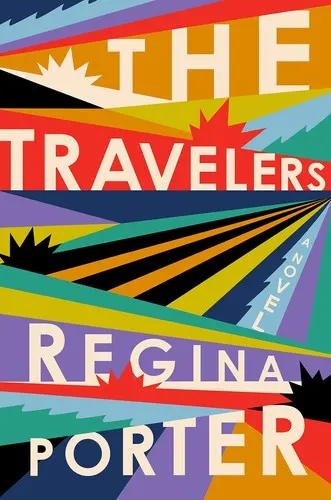
Porter follows two interconnected American families across decades, moving among Black and white, gay and straight, privileged and precarious lives. Like Evaristo, she refuses to appoint one character as the story’s center: minor figures step forward, private decisions acquire historical weight, and connections emerge with the satisfying click of a constellation taking shape.
The resemblance is also tonal. The Travelers can be piercing about racism, sexuality, war and compromised love without turning its characters into political exhibits. Porter’s brisk scenes, photographs and theatrical fragments give the novel buoyancy, while her eye for vanity and self-deception supplies wonderfully dry comedy. This acclaimed debut offers the same exhilarating enlargement of sympathy as Girl, Woman, Other: every new voice changes what you thought you knew about the others.
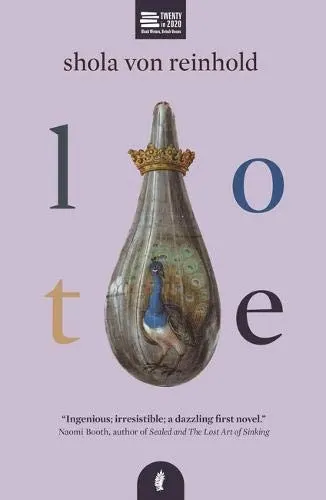
If Evaristo’s reclamation of Black British lives made the literary canon feel newly porous, Lote pushes through that opening with glitter, perfume and a crowbar. Mathilda, a queer Black researcher with an appetite for beauty and obscurity, discovers traces of a forgotten Black modernist and begins pursuing the life that official cultural history has misplaced.
Von Reinhold turns archival recovery into an intoxicating aesthetic adventure. The prose is lush, witty and deliberately excessive; secret societies, artistic poses and neglected footnotes all become material for imagining forms of Black life not governed solely by struggle. Winner of the James Tait Black Memorial Prize, Lote has the audacity of a manifesto and the allure of a cult object. It is not merely about recovering an erased woman: it makes her absence feel like a scandal you now have a duty—and a delicious reason—to investigate.
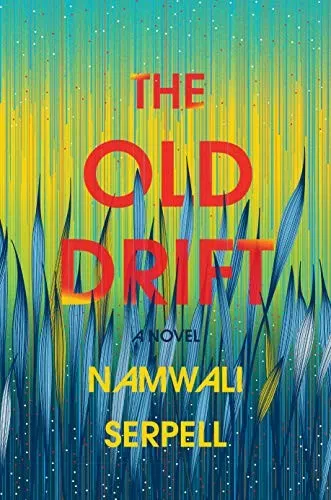
The Old Drift matches Evaristo’s ambition on an even larger scale. Serpell braids three Zambian families across generations, letting accidents, grudges, desires and inherited stories accumulate from the colonial period toward a speculative future. No life is merely illustrative; each consciousness brings its own texture, and women repeatedly seize narrative space from the histories that would reduce or omit them.
What makes the novel irresistible is its abundance. Serpell shifts between social comedy, family saga, political history, technological speculation and lyrical chorus without losing emotional intimacy. Like Girl, Woman, Other, it believes formal freedom can reveal how identities overlap—and how the past keeps speaking through bodies, families and nations. Its Arthur C. Clarke Award recognized the speculative imagination, but that label barely contains it. The Old Drift is the rarer thing: a teeming, risk-taking novel that leaves the world looking larger than it did before.