Author
Books like Ayi Kwei Armah
3 books we recommend to Ayi Kwei Armah readers, drawn from The Beautyful Ones Are Not Yet Born — each with the reason why.
If you loved The Beautyful Ones Are Not Yet Born

Okolo returns to his community searching for an elusive moral truth he calls simply “it,” only to encounter a public life ruled by appetite, conformity, and fear. Like Armah’s unnamed railway clerk, he is compelling not because he is conventionally heroic, but because refusing the prevailing lie leaves him painfully exposed.
Okara reshapes English around Ijo syntax, producing prose that feels estranged, incantatory, and newly made. That linguistic daring turns a conflict over integrity into something almost mythic. A landmark of African modernist fiction, this short, haunting novel belongs beside Armah’s as one of the most uncompromising visions of the solitary conscience.
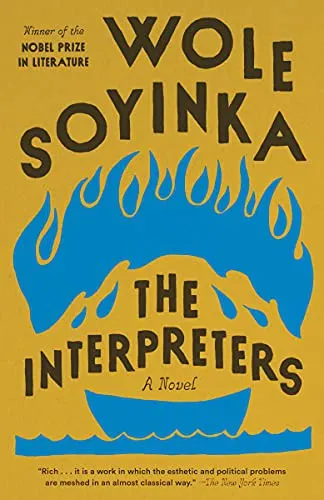
Soyinka follows a circle of young Nigerian intellectuals trying to understand what independence has delivered—and what they themselves are becoming. Rather than offering a single innocent man against a corrupt society, he shows intelligence, ambition, sensuality, disgust, and self-deception tangled together. The result is a more crowded, mercurial version of Armah’s moral landscape.
Its dense, fractured form demands attention: conversations flare into satire, memories interrupt the present, and comedy repeatedly opens onto spiritual desolation. Soyinka’s first novel has endured as a major work of post-independence literature precisely because it refuses easy diagnoses. If Armah made you value fiction that treats national disillusionment as an inward crisis, The Interpreters is essential.
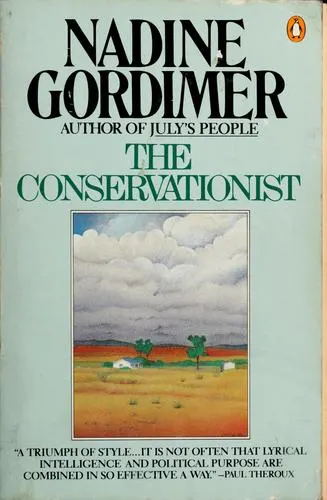
Gordimer makes ownership itself feel diseased. Her protagonist, a wealthy industrialist with a South African farm, believes he possesses the land around him; the novel steadily reveals how little he understands its people, its history, or even his own desires. As in Armah, physical matter—mud, flesh, waste, weather—carries moral knowledge that respectable language tries to suppress.
The prose is sensuous, difficult, and eerily beautiful, moving between one man’s self-justifications and a landscape that will not confirm them. Winner of the Booker Prize and one of Gordimer’s defining novels, The Conservationist turns political corruption into an atmosphere the reader breathes. Its images linger with the same troubling force as Armah’s filth-streaked, luminous city.