Author
Books like Arkady Martine
3 books we recommend to Arkady Martine readers, drawn from A Memory Called Empire — each with the reason why.
If you loved A Memory Called Empire
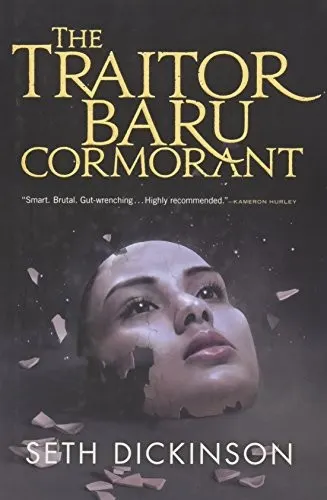
No novel more ruthlessly develops Martine’s question of whether mastering an empire’s culture lets you defeat it—or merely teaches you to think like it. When the Masquerade absorbs Baru’s homeland, she enters its civil service, intending to turn its own machinery against it. Her weapons are accounting, monetary policy, and an unnerving talent for making herself useful.
Like Mahit, Baru is divided between resistance and attraction, intimacy and performance. Dickinson makes bureaucracy feel as tense as warfare and shows how an empire converts prejudice, education, and desire into administrative tools. Fiercely admired for its intellectual ambition and emotional ferocity, this is the book to read if Teixcalaan’s seductive violence was what lodged deepest in you.
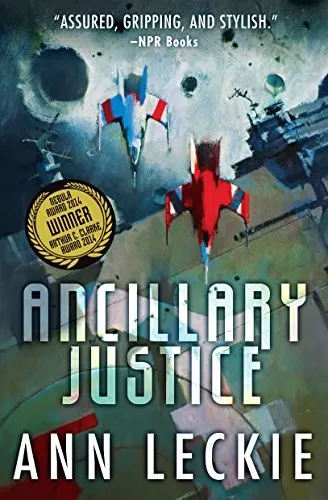
Breq was once a vast troop carrier whose consciousness inhabited both a starship and hundreds of human bodies. Now she occupies a single body and is pursuing a private purpose through the empire she once served.
Leckie turns that premise into an audacious first-person study of memory, identity, and imperial complicity. Her Radch, like Teixcalaan, presents conquest as civilization and aesthetic refinement; its rituals, songs, gloves, tea, and linguistic assumptions reveal politics long before anyone states them openly. Breq’s radically altered sense of self also offers a thrilling counterpart to Mahit and her imago.
Few debuts have arrived with such authority: Ancillary Justice won the Hugo, Nebula, and Arthur C. Clarke awards. Its honors are deserved, but its real distinction is stranger—the way its grammar and divided consciousness quietly reconfigure how you read every relationship in the book.
Bren Cameron is the sole official interpreter between a stranded human community and the atevi civilization that controls the surrounding world. His job is not simply to translate sentences. He must understand a society whose loyalties, emotions, mathematics, and etiquette do not map neatly onto human concepts—and one small mistake can become a political catastrophe.
Cherryh captures the exhilarating loneliness of cultural fluency: Bren can perceive meanings his fellow humans miss, yet can never be certain that his own attachments are reciprocated in the way he imagines. That makes every conversation charged, every courtesy consequential, and every apparent friendship an act of interpretation.
Foreigner became the foundation of one of science fiction’s most enduring, passionately followed series. Readers stay because Cherryh never reduces cultural difference to colorful custom; she makes it a profound limit on what one person can know about another. Anyone who loved Mahit thinking desperately through Teixcalaani assumptions should meet Bren Cameron.