Author
Books like Apuleius
3 books we recommend to Apuleius readers, drawn from The Golden Ass — each with the reason why.
If you loved The Golden Ass
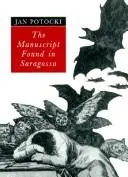
A young officer crossing the Sierra Morena repeatedly finds himself entangled in stories told inside other stories: erotic temptations, hauntings, philosophical disputes, family histories, and elaborate deceptions. Like Lucius, he—and the reader—can never be sure whether he has encountered the supernatural or merely become the victim of an ingenious trick.
Potocki’s cult masterpiece matches Apuleius above all in narrative appetite. Its tales interrupt, echo, and reinterpret one another much as “Cupid and Psyche” transforms the surrounding adventures in The Golden Ass. Learned without becoming solemn, it makes theology, lust, rationalism, and farce share a bed. Few novels offer such intoxicating pleasure in getting lost.
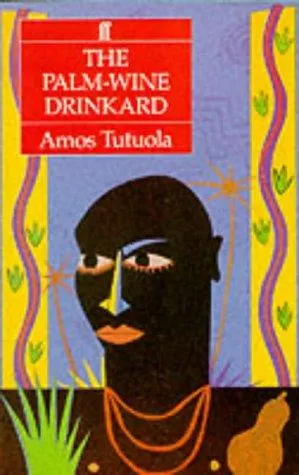
When his incomparable tapster dies, an insatiable palm-wine drinker sets out for Dead’s Town to retrieve him. From that bluntly impossible premise, Tutuola creates a journey crowded with spirits, monsters, bargains, transformations, appetites, and sudden cruelties.
A landmark of modern African literature, the novel remakes English through the rhythms and logic of Yoruba storytelling. Its voice is guileless and uncanny at once: marvels are reported as practical inconveniences, while comedy can turn terrifying in a sentence. Readers who love Apuleius’s procession of grotesque bodies and perilous curiosities will recognize the same inexhaustible conviction that the world is stranger, hungrier, and more animate than civilized people admit.
Ninety-two-year-old Marian Leatherby is given a hearing trumpet and promptly discovers that her family intends to place her in an institution. Carrington makes this indignity the entrance to a world of eccentric women, occult designs, institutional absurdity, and rebellious imagination.
This beloved Surrealist cult classic shares Apuleius’s rare ability to let slapstick open directly onto spiritual mystery. Carrington treats old age, bodily awkwardness, visionary experience, and esoteric ritual with equal irreverence; nothing sacred remains pompous, and nothing comic is merely trivial. Marian’s dry, serene voice makes the novel irresistible, but beneath the jokes lies a radical promise of transformation. Missing it would mean missing one of fiction’s strangest and most liberating heroines.