Author
Books like Antonia White
3 books we recommend to Antonia White readers, drawn from Frost in May — each with the reason why.
If you loved Frost in May
Laura Rambotham arrives at a prestigious Melbourne boarding school clever, imaginative, socially awkward, and desperate to belong. Richardson understands, as White does, that schoolgirl humiliations are not trivial: a snub, a lie, or a misread rule can threaten a child’s entire sense of self.
This Australian classic is unsentimental about education’s power to deform as well as enlarge. Laura’s eager, error-prone consciousness is rendered with such precision that every embarrassment feels immediate, yet the novel’s wit keeps it from becoming oppressive. If Nanda Grey’s collision with an institution’s polished ideals moved you, Laura’s unruly pursuit of acceptance is indispensable.
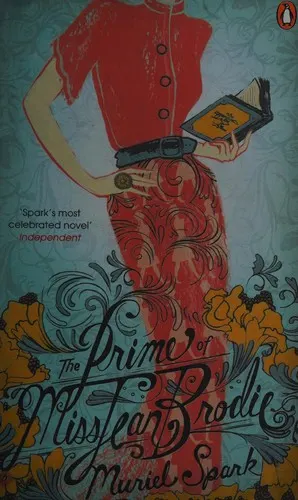
Spark’s most celebrated novel turns education into a contest for possession of the imagination. Miss Brodie offers her chosen pupils culture, romance, and the intoxicating conviction that they are exceptional—but Spark watches the exchange of admiration, influence, and obedience with diamond-hard irony.
Like White, Spark refuses the easy division between innocent child and monstrous authority. Her girls are observant, susceptible, competitive, and capable of judgment; their teacher is both genuinely enlarging and dangerously self-dramatizing. The novel is brief, formally brilliant, and endlessly rereadable: every witty sentence conceals a moral pressure point.
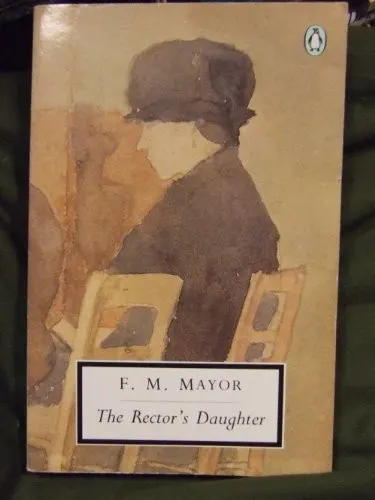
Mary Jocelyn has spent much of her life serving an austere clergyman father, so thoroughly trained in duty and self-effacement that deprivation has acquired the dignity of principle. Mayor’s great subject is what happens when religious and social discipline cease to be external rules and become the very language in which a woman understands herself.
A quietly revered twentieth-century novel, The Rector’s Daughter has the restraint, psychological accuracy, and accumulated emotional force that distinguish Frost in May. Mayor makes a narrow provincial existence feel immense because she sees every flicker of hope, shame, resentment, and renunciation. Its apparent modesty is deceptive; few novels expose the cost of being “good” with greater tenderness or severity.