Author
Books like Aleksandar Tišma
3 books we recommend to Aleksandar Tišma readers, drawn from The Book of Blam — each with the reason why.
If you loved The Book of Blam
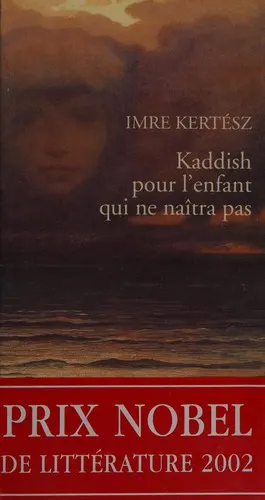
Kertész begins with a thunderous “No!”—his narrator’s answer when asked whether he has a child—and unfolds that refusal into a fierce, recursive monologue about Auschwitz, marriage and the impossibility of passing life onward innocently. Like Tišma, he treats survival not as triumph but as an accusation the survivor cannot stop examining.
The styles are different but equally exacting: Blam’s numb drifting becomes Kertész’s spiralling, darkly comic self-cross-examination. Every qualification opens another wound; every attempt at explanation exposes a deeper complicity. Kertész, later awarded the Nobel Prize, made this short novel one of his most concentrated statements. Anyone moved by Tišma’s refusal of consolation should experience its devastating final cadence.
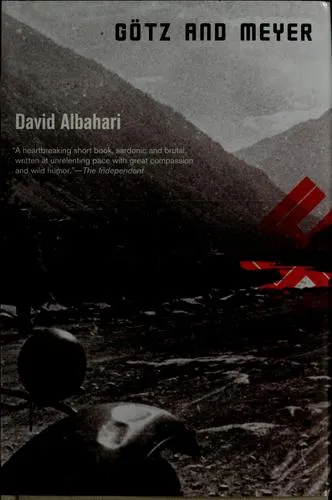
A Jewish narrator in Belgrade tries to reconstruct the fate of relatives murdered during the occupation, focusing obsessively on two SS men about whom almost nothing is known. From that historical blank, Albahari creates an extraordinary act of morally anxious imagination: how can one picture the dead without appropriating them, and how can one understand murderers without humanizing away their crimes?
The novel’s unbroken flow of prose traps the reader inside the narrator’s compulsion. Speculation, documentation and self-reproach become inseparable, much as Blam’s ordinary surroundings keep turning into evidence of vanished lives. Winner of Serbia’s prestigious NIN Award, Götz and Meyer is brief, formally audacious and increasingly suffocating—a book whose method makes remembrance feel both necessary and impossible.
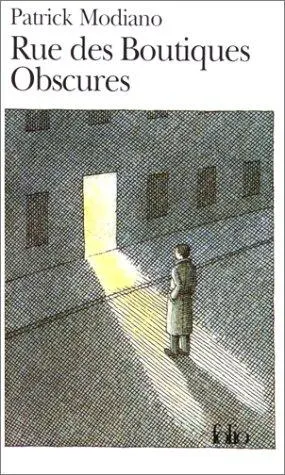
Guy Roland, an investigator suffering from amnesia, begins looking into his own identity through old addresses, photographs, directories and the uncertain memories of strangers. The premise suggests a mystery, but Modiano turns detection into something more haunting: a search for people whom history has rubbed almost completely away.
Where Tišma renders Novi Sad as a map of absences, Modiano makes Paris shimmer with inaccessible former lives. His restraint is crucial—no grand revelations, only names, rooms and fleeting recognitions accumulating an uncanny emotional weight. Missing Person won the Prix Goncourt and remains a defining novel by the later Nobel laureate. Its dreamlike quiet is deceptive; by the end, the missing past feels less like lost information than a permanent condition of being alive.