Author
Books like Alberto Moravia
3 books we recommend to Alberto Moravia readers, drawn from The Conformist — each with the reason why.
If you loved The Conformist
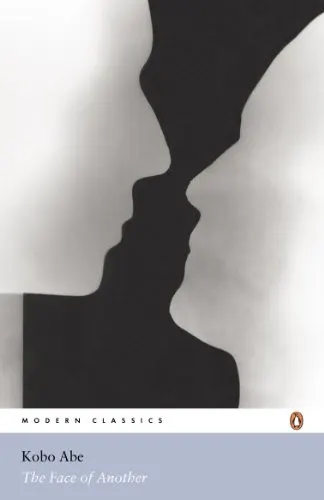
After a laboratory accident disfigures him, a scientist begins constructing an uncannily lifelike mask. He records the project in notebooks addressed to his wife, turning what might have been a speculative thriller into a ruthless experiment in identity, desire, and moral permission.
Like Marcello, Abe’s narrator treats his wounds as evidence in a case for his own innocence. His cool intelligence becomes a means of evasion: every explanation conceals an appetite, and every attempt at normality threatens to expose something predatory. Abe’s exact, unsettling prose gives abstract questions the pressure of bodily experience. This severe classic of postwar Japanese fiction is the rare novel that can match Moravia’s fusion of erotic unease, philosophical clarity, and intimate menace.
Heinrich Mann begins with a child terrified by authority and already learning to adore the force that frightens him. From that seed he creates Diederich Hessling, one of literature’s definitive authoritarian personalities: servile toward power, brutal toward weakness, and endlessly ingenious at calling cowardice loyalty.
Where Moravia uses a clinical blade, Mann uses savage caricature. Yet both understand conformity as an active desire, not passive submission—the pleasure of surrendering judgment while gaining permission to dominate others. Written before the First World War and published in 1918, Mann’s great satire of imperial Germany acquired a frighteningly prophetic reputation. Its comedy bites because Diederich is never merely ridiculous; he is a complete social type, and history would soon demonstrate how numerous his kind could become.
A wealthy landowner wakes before dawn and prepares for a day’s hunting. Bassani follows him through ordinary rituals with such grave, microscopic attention that the day begins to feel like an examination of a life whose comforts can no longer disguise its emptiness.
A lover of The Conformist will recognize the immaculate surfaces, the bourgeois habits performed after their meaning has drained away, and the unsettling distance between a man and his own actions. Bassani’s protagonist is not explained into innocence; he is observed until alienation becomes almost physical. The prose, beautifully rendered in English by William Weaver, is quieter than Moravia’s but equally exact. Winner of Italy’s Campiello Prize, The Heron is one of Bassani’s most concentrated achievements—a short, wintry novel whose atmosphere lingers far beyond its final page.