Author
Books like Agustina Bazterrica
3 books we recommend to Agustina Bazterrica readers, drawn from Tender Is the Flesh — each with the reason why.
If you loved Tender Is the Flesh

Isserley spends her days driving through the Scottish Highlands, assessing male hitchhikers with the cool attention of a buyer inspecting stock. Faber traps us inside her practical calculations, allowing the horror to emerge gradually from vocabulary, routine, and what she refuses to examine.
Like Bazterrica, he understands that institutional cruelty becomes most disturbing when it is orderly and euphemistic. Yet this acclaimed cult novel is stranger, sadder, and more morally unstable than a simple reversal of predator and prey. Its precision will make you complicit before you quite understand the terms—and its questions about appetite, labor, and personhood linger long after the shock has faded.
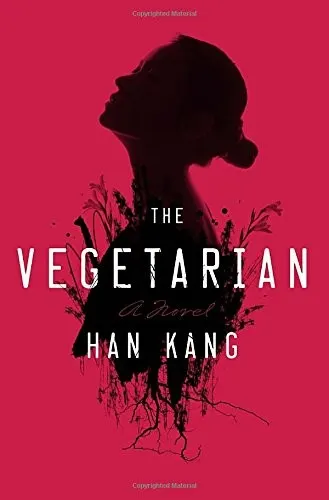
A seemingly ordinary woman stops eating meat after a disturbing dream. Her decision is modest; the response from her husband and family is anything but. What follows is an exquisitely controlled study of how quickly other people claim ownership over a body that refuses to cooperate.
Readers drawn to Bazterrica’s fusion of bodily horror and social critique will recognize the same merciless attention to domination, shame, and respectable violence. But Han Kang—winner of the Nobel Prize in Literature, and of the International Booker for this novel—writes with a dreamlike, almost weightless beauty that makes each violation more devastating. The Vegetarian is brief enough to read in a sitting and powerful enough to permanently alter the meaning of refusal.

Aboard a spacecraft, human and humanoid workers submit numbered statements about their duties and about a collection of mysterious objects brought aboard. Their clipped testimonies gradually expose an institution trying to measure longing, grief, memory, and attachment as workplace problems.
The kinship with Tender Is the Flesh lies in the language of management: both novels show systems protecting themselves by turning living beings into categories, functions, and inventory. Ravn’s International Booker–shortlisted novel is formally daring—a chorus of reports rather than a conventional narrative—but also unexpectedly intimate and mournful. It asks what remains of a person when an employer controls the definition of personhood, and its eerie voices are nearly impossible to forget.