Author
Books like A. J. Cronin
3 books we recommend to A. J. Cronin readers, drawn from The Citadel — each with the reason why.
If you loved The Citadel
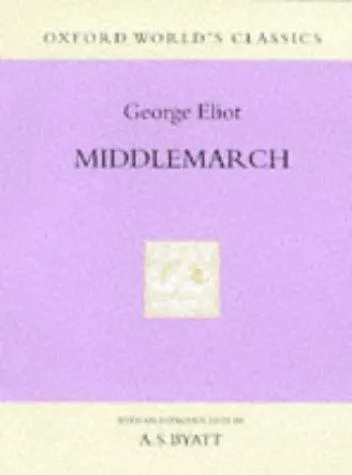
Tertius Lydgate arrives in a provincial town determined to modernize medicine, only to discover that scientific intelligence is no protection against vanity, money, social pressure, or his own blind spots. Anyone gripped by Andrew Manson’s collision with the medical establishment will recognize the moral tension immediately.
Yet Eliot goes deeper into compromise than Cronin: she shows how worthy ambitions are altered by dozens of ordinary decisions rather than one dramatic betrayal. Her sympathy is searching but never soft, and the town around Lydgate feels like a living web in which every choice tugs at someone else. Often acclaimed as one of the supreme English novels, Middlemarch earns that standing through its uncanny understanding of why good people fail—and why striving still matters.
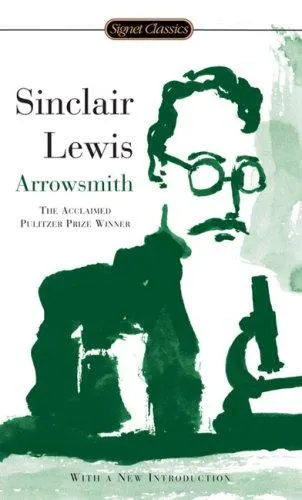
Martin Arrowsmith begins with a hunger for genuine scientific truth, then encounters the competing claims of patients, research, prestige, commerce, and public acclaim. Lewis makes laboratories, hospitals, and professional rivalries dramatically charged because every career opportunity carries an ethical price.
Where Cronin burns with reforming indignation, Lewis adds caustic American satire: fashionable doctors, institutional slogans, and marketable cures are exposed with savage relish. The novel was selected for the 1926 Pulitzer Prize, which Lewis refused, and it remains unusually vivid about science as both a vocation and a human institution. If The Citadel made medicine feel like a battlefield for the soul, Arrowsmith is indispensable.
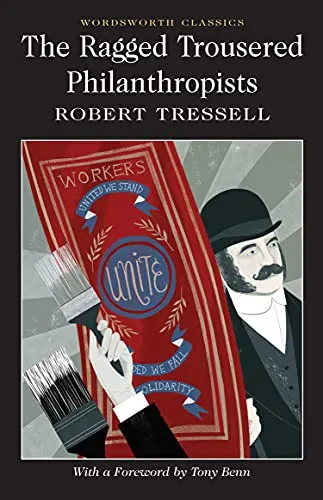
Here the battleground is not a clinic but a house being renovated by exhausted, underpaid workmen. Tressell turns their daily labor—cold rooms, bad materials, petty foremen, anxious calculations over food—into an impassioned demonstration of how injustice perpetuates itself through custom and resignation.
A lover of Cronin’s social anger will respond to the same conviction that fiction should expose systems, not merely pity their victims. The book can be funny, argumentative, and openly furious; its famous explanation of the “Money Trick” has awakened generations of readers to the mechanics of exploitation. Published after Tressell’s death, it became a foundational classic of British working-class literature. Few novels make indignation feel so companionable—or so difficult to forget.