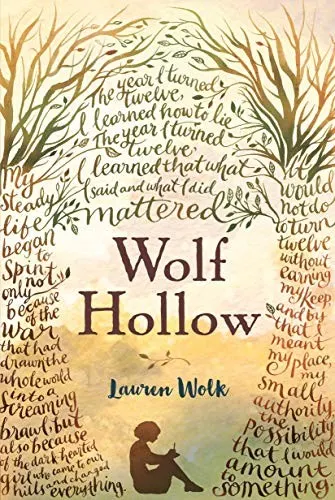
Books like Wolf Hollow
Leif Enger’s adult novel Peace Like a River belongs beside Wolf Hollow because it understands that a child’s moral awakening can carry the weight of tragedy—and that beautiful storytelling need not soften hard truths. The other two choices remain on the young-reader shelf but share Lauren Wolk’s rare respect for a child’s powers of judgment.
If you liked Wolf Hollow, you’ll love these
Not lookalikes — kindred books. Each one shares something essential with Wolf Hollow, and we tell you exactly what.
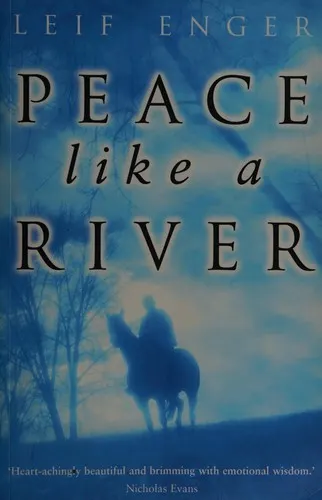
Reuben Land looks back on a childhood shaped by a loving family, an extraordinary father, and a violent conflict that pulls law and justice apart. Like Annabelle, Reuben is observant without being omniscient: he must decide what goodness means when loyalty, truth, and mercy no longer point in the same direction.
Enger’s nationally bestselling debut also shares Wolk’s gift for making landscape feel morally alive. Its wintry expanses and lucid, almost biblical prose create wonder without denying suffering. Readers who loved Wolf Hollow for its grave beauty and compassionate treatment of flawed people will find the same ache here—along with a story whose questions linger for years.
Mason Buttle is large, dyslexic, relentlessly bullied, and unable to persuade everyone that he is telling the truth about the death of his best friend. Yet Connor never reduces him to either victim or saint. His openhearted, idiosyncratic voice reveals details that more polished speakers overlook, while the adults around him range from genuinely protective to dangerously certain of themselves.
That makes this an exceptionally close emotional companion to Wolf Hollow: both novels ask what happens when cruelty controls the story and a decent child lacks the language or authority to fight back. A National Book Award finalist and Schneider Family Book Award winner, Mason’s story earns its honors through tenderness rather than sentimentality. He is the sort of character readers begin by worrying about and finish by loving fiercely.
Georgie Burkhardt refuses to accept her Wisconsin town’s conclusion that her missing older sister is dead. She has a marksman’s eye, a formidable vocabulary, and enough confidence to make mistakes with consequences—a bracing combination that recalls Annabelle’s courage without copying her temperament.
The deeper kinship lies in the novels’ understanding of words as actions. Georgie knows that something she said helped set disaster in motion, and her search for certainty becomes entangled with guilt, pride, and love. Timberlake’s Newbery Honor novel is taut as a mystery but richer than one: its historical world is vivid, its humor dry, and its heroine unforgettable. Miss it, and you miss one of middle-grade fiction’s sharpest portraits of a girl learning that being sure is not the same as being right.