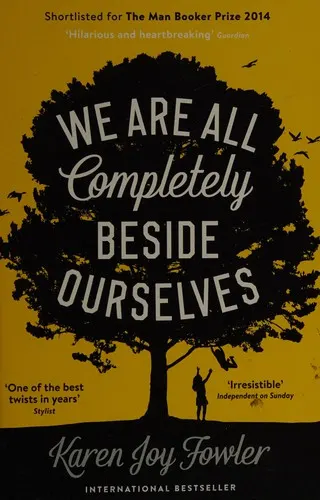
Books like We Are All Completely Beside Ourselves
—because its deepest magic lies in the collision of formal mischief, fierce family feeling, and moral unease, these three novels should strike the same nerves.
If you liked We Are All Completely Beside Ourselves, you’ll love these
Not lookalikes — kindred books. Each one shares something essential with We Are All Completely Beside Ourselves, and we tell you exactly what.
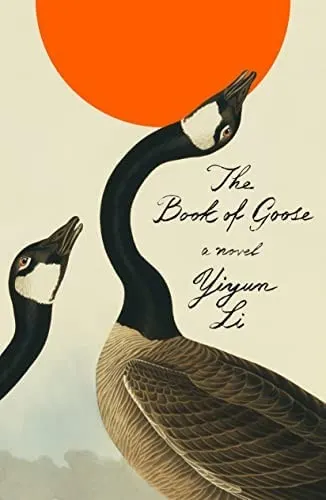
Agnès looks back on her childhood bond with Fabienne, a brilliant, domineering village girl who turns storytelling into their private instrument of escape and power. Like Fowler, Li understands that intimacy can be loving, coercive, sustaining, and ruinous all at once—and that a narrator’s arrangement of the past is itself part of the story.
The prose is cool and exact, which only intensifies the girls’ ferocious attachment. Winner of the PEN/Faulkner Award, this is an extraordinary novel about invention, complicity, and the person whose absence continues to organize your life.
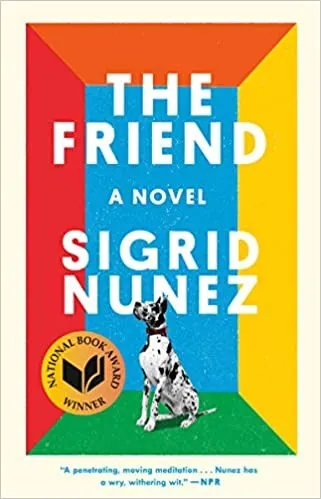
After her closest friend dies, a writer unexpectedly inherits his enormous Great Dane. From that opening, Nunez builds a searching, slyly funny meditation on grief, language, literary life, and the unknowable consciousness of another creature.
What connects it to Fowler is its refusal to reduce an animal to a sentimental device: the dog remains stubbornly, movingly himself. The novel’s intelligence never competes with its tenderness; each deepens the other. Its National Book Award win helped confirm what devoted readers already knew—Nunez can make a wandering, essayistic voice feel as gripping as plot.
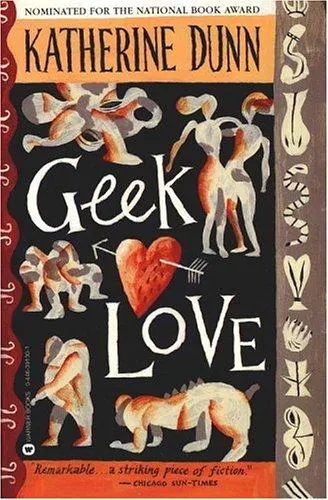
The Binewskis are a carnival family whose parents deliberately set out to produce children who can become attractions. Their daughter Olympia narrates with devotion, jealousy, shame, and an unnerving instinct for what not to emphasize.
Dunn shares Fowler’s gift for dismantling the category of the “normal” family from inside it. She makes love inseparable from exploitation and asks who gets treated as fully human, without supplying comfortable answers. More lurid and savage than Fowler, but comparably funny and emotionally ambushing, this National Book Award finalist became a cult classic because there is simply nothing else quite like it.