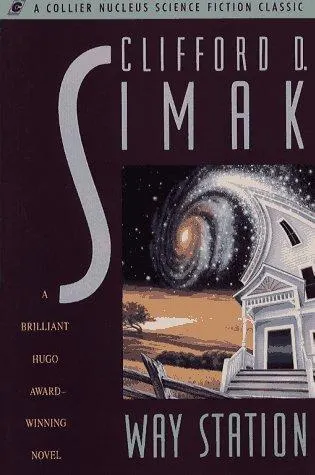
Books like Way Station
Way Station makes the universe feel immense without making human decency feel small. These three novels likewise find wonder in solitude, patience, moral courage, and the difficult work of meeting the truly unfamiliar.
If you liked Way Station, you’ll love these
Not lookalikes — kindred books. Each one shares something essential with Way Station, and we tell you exactly what.
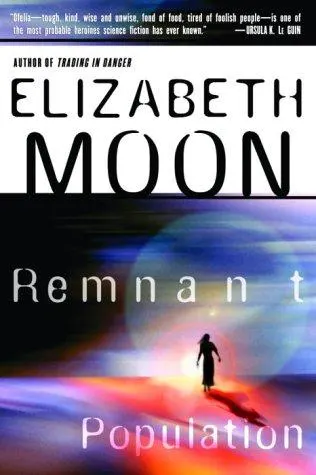
When an aging colony is evacuated, Ofelia Falfurrias quietly refuses to go. Her ensuing solitude is practical rather than romantic: she gardens, repairs what breaks, and enjoys freedom from people who have long underestimated her.
Like Enoch Wallace, Ofelia becomes compelling through attentiveness and competence rather than heroics. Moon lets an ordinary person’s habits—listening, observing, withholding judgment—acquire momentous importance. A Hugo finalist with an unusually devoted readership, Remnant Population is warm, shrewd first-contact fiction about dignity and the value of approaching others without conquest or condescension.
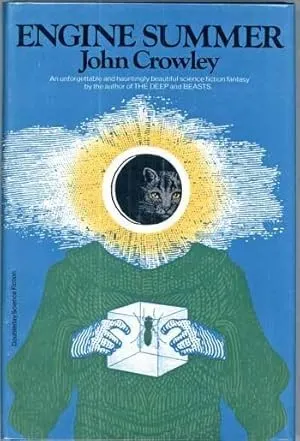
Engine Summer offers the pastoral strangeness that makes Way Station linger in the memory: familiar earth transformed by time, technology half-understood, and enormous mysteries glimpsed through a gentle human voice. Rush That Speaks recounts his youth among communities living amid the remnants of a vanished technological civilization, speaking with an innocence that never becomes naïveté.
Crowley’s compact novel is lyrical without being ornamental and enigmatic without turning cold. Its beauty accumulates quietly, through names, customs, landscapes, and gaps in understanding. Long regarded as a jewel of literary science fiction, it delivers the same rare sensation as Simak’s novel: melancholy and cosmic wonder becoming almost indistinguishable.
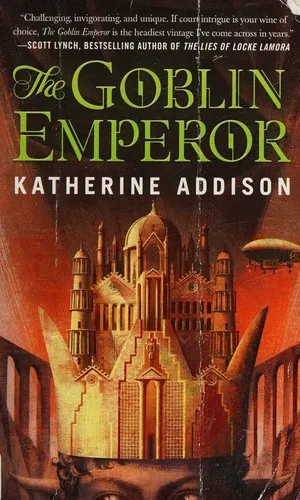
Maia begins the novel unwanted, isolated, and suddenly burdened with an authority for which no one prepared him. The setting is fantasy rather than science fiction, but the emotional kinship with Way Station is exact: a lonely, conscientious man must navigate a vast system while deciding whether kindness can survive contact with power.
Addison makes courtesy suspenseful. Small choices about whom Maia trusts, how carefully he listens, and whether he will reproduce the cruelty shown to him carry more force than battles. Winner of the Locus Award and a Hugo finalist, The Goblin Emperor has become a modern comfort classic—not because it is cozy or consequence-free, but because it makes decency look difficult, intelligent, and brave.