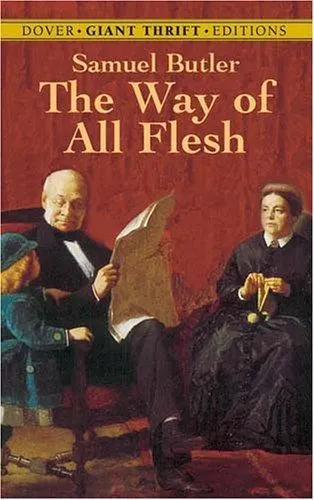
Books like The Way of All Flesh
In each of these novels, someone discovers that the family chair set out for him is also a trap—and begins, awkwardly and defiantly, to pull it away from the table.
If you liked The Way of All Flesh, you’ll love these
Not lookalikes — kindred books. Each one shares something essential with The Way of All Flesh, and we tell you exactly what.
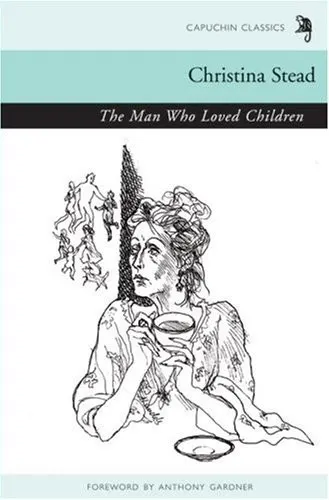
If Butler’s merciless exposure of parental vanity thrilled you, Stead’s Pollit household is essential reading. Sam Pollit sees himself as an endlessly loving father; his wife and children experience the suffocating reality behind that self-portrait. Stead turns domestic speech—pet names, jokes, lectures, quarrels—into an instrument of power.
The comedy is wilder and the emotional pressure fiercer than in Butler, but the kinship is profound: both novels understand how parents disguise domination as duty and affection. Neglected on publication and later rescued by passionate advocates including Randall Jarrell, Stead’s novel now has the reputation of a rediscovered masterpiece. Few books make family life seem at once so grotesque, funny, and terrifyingly intimate.
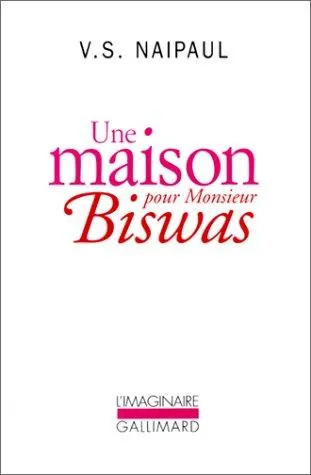
Mr Biswas spends his life trying to possess something—work, dignity, a room, finally a house—that cannot be absorbed into somebody else’s designs. Like Ernest Pontifex, he is no conventional hero of self-creation: he is touchy, impractical, frequently ridiculous, and therefore all the more moving.
Naipaul’s comedy comes from exact humiliations: crowded rooms, unwanted obligations, precarious jobs, and the maddening authority of a large family that assumes resistance is merely ingratitude. Yet every small bid for independence matters. Widely regarded as Naipaul’s masterpiece, the novel enlarges one man’s struggle for a private life into a magnificent tragicomedy of dependence. Anyone who responded to Butler’s insistence that freedom must become material—not merely wished for—should not miss it.

Butler anatomizes the inherited commands of family and Christianity; Joyce shows those commands entering the bloodstream. Stephen Dedalus grows amid parental expectations, religious fear, school discipline, and competing claims upon his conscience. His rebellion is not simply against particular authorities but against the language through which they have taught him to understand himself.
What makes this modernist landmark such a rewarding successor to The Way of All Flesh is its form. The prose develops with Stephen’s consciousness, beginning in childhood sensation and becoming increasingly intricate as his mind tests the world around him. Where Butler uses the cool intelligence of a retrospective narrator, Joyce places you inside the difficult birth of independence. It is one of the defining novels of self-emancipation—and its famous stature should not obscure how immediate, sensuous, and combustible it remains.