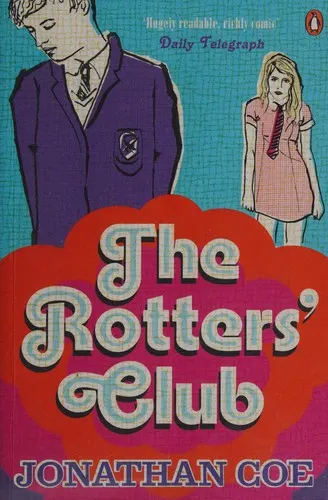
Books like The Rotters' Club
The Rotters’ Club catches the instant when school jokes, pop songs and private humiliations begin to reveal the machinery of class, labour and national politics surrounding its teenagers.
If you liked The Rotters' Club, you’ll love these
Not lookalikes — kindred books. Each one shares something essential with The Rotters' Club, and we tell you exactly what.

Hensher begins with two neighbouring families in 1970s Sheffield and lets their marriages, rivalries, ambitions and embarrassments accumulate into a portrait of Britain changing around them. Like Coe, he understands that history is experienced domestically: through workplace gossip, strained dinners, property, sex and what children overhear.
Shortlisted for the Booker Prize, this is an expansive, populous novel with Coe’s gift for making minor characters vivid and social comedy consequential. If you loved how The Rotters’ Club turns ordinary family life into a state-of-the-nation story without sacrificing warmth, this is the richest next step.
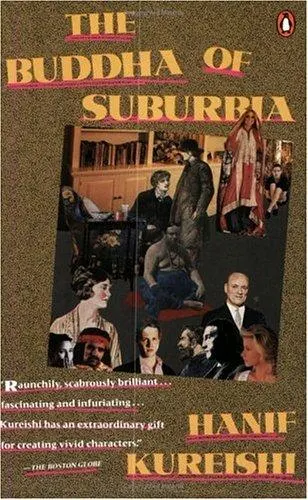
Karim Amir—“an Englishman born and bred, almost”—is one of the great narrators of adolescent uncertainty. His journey through suburban families, theatrical London and the cultural upheavals of the 1970s is raucous, lustful and very funny, but Kureishi’s comedy keeps exposing the performances demanded by race, class and respectability.
Winner of the Whitbread First Novel Award, The Buddha of Suburbia has become a defining novel of postwar British identity. It shares Coe’s appetite for music, generational conflict and political contradiction, while supplying an irreverent voice so alive that Karim’s world feels less observed than inhabited.
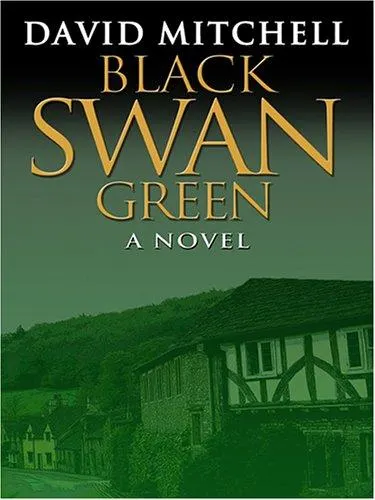
Jason Taylor is thirteen, living in a Worcestershire village in 1982, concealing both a stammer and a private life as a poet. Mitchell captures the savage hierarchies of schoolboys with extraordinary precision: the dangerous vocabulary of coolness, the terror of saying the wrong thing, and the tiny compromises by which a child tries to survive.
Where Coe ranges across an ensemble, Mitchell concentrates that same blend of comedy, yearning and social alertness into one consciousness. The Falklands War, unemployment and family tensions press against Jason’s days without turning him into a historical exhibit. Booker-longlisted and unusually intimate for Mitchell, Black Swan Green is one of the finest novels about the humiliations—and furtive acts of courage—through which adolescence becomes character.