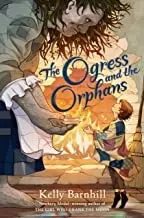
Books like The Ogress and the Orphans
Radical kindness. These novels share Barnhill’s faith that generosity is not mere sweetness: it can expose lies, dissolve fear, and turn isolated creatures into a community.
If you liked The Ogress and the Orphans, you’ll love these
Not lookalikes — kindred books. Each one shares something essential with The Ogress and the Orphans, and we tell you exactly what.
Red, an ancient oak accustomed to receiving people’s wishes, narrates this slender story about a neighborhood unsettled by an act of hatred against a Muslim family. Like Barnhill’s crows, Red observes human folly with wit, patience, and a perspective larger than any one lifetime.
Applegate makes decency suspenseful: can animals, children, and a local tradition awaken neighbors who have forgotten how to welcome one another? A modern children’s favorite, Wishtree earns its emotional power without sentimentality. It is the rare book that makes hope feel practical—something built by many small, brave choices.
A mysterious girl appears at a monastery with no memory of how she arrived, the ability to read, and a dangerous connection to an old prophecy. Beside her stands Answelica, a ferocious goat whose comic belligerence keeps this medieval fable wonderfully earthbound.
Readers who loved Barnhill’s storyteller’s voice will recognize the same mixture of sorrow, absurdity, and moral clarity. DiCamillo—one of the most honored and beloved writers for young readers—writes as if tales themselves can shelter the vulnerable and challenge the powerful. Every character matters; every act of mercy enlarges the possible world.
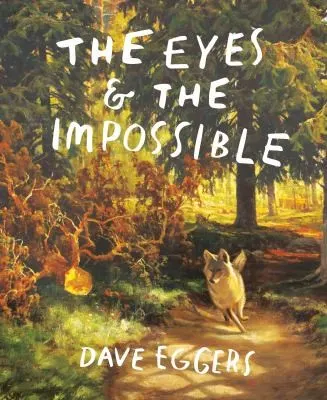
Johannes, a gloriously self-important free dog, runs through an urban park serving as the Eyes for a council of animals. His breathless narration makes every sprint, painting, human intrusion, and argument among friends feel momentous.
This 2024 Newbery Medal winner matches Barnhill less in plot than in spirit: both books give nonhuman observers unforgettable voices, build communities from eccentric outcasts, and ask whether freedom means needing no one or belonging by choice. Eggers’s language has the velocity of a chase and the lift of a hymn; beneath the comedy is a stirring vision of creatures learning what they owe one another.