Books like The Moffats
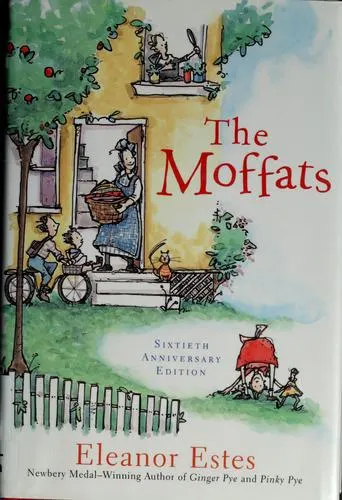
The reader drawn to The Moffats delights in the drama of ordinary days: scarce money, sibling schemes, neighborhood characters, and a mother whose steadiness makes a modest household feel abundant. These novels share Eleanor Estes’s faith that childhood’s small events can be funny, consequential, and unforgettable.
If you liked The Moffats, you’ll love these
Not lookalikes — kindred books. Each one shares something essential with The Moffats, and we tell you exactly what.
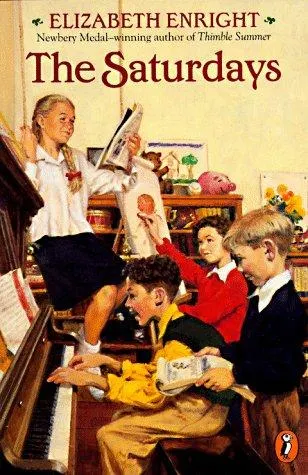
The four Melendy children pool their allowances so that each can have one splendid Saturday alone in New York. That simple arrangement produces the same pleasure as Estes’s Cranbury episodes: children are granted genuine independence, mishaps remain human-sized, and each sibling emerges as a distinct, lovable person.
Enright’s light, intelligent prose never strains for quaintness, while the family’s affectionate teasing gives every scene life. The first volume of a long-cherished quartet, The Saturdays is the rare classic that offers both cozy rereading and the exhilarating sense that a child’s own day can become an adventure.
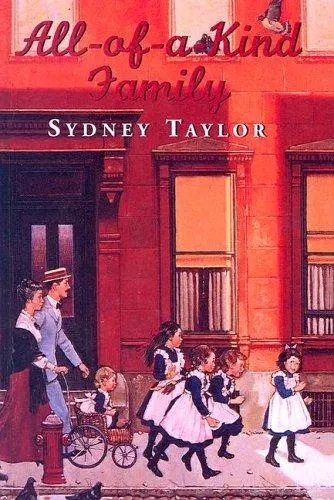
Taylor understands, as Estes does, that thrift can generate stories rather than merely restrict lives. Five sisters on New York’s Lower East Side turn library visits, household chores, penny treats, and family celebrations into occasions of suspense and delight. Their parents’ finances matter, but affection—not deprivation—sets the book’s emotional temperature.
First published in 1951, it was groundbreaking in placing a Jewish family at the center of an American children’s novel; generations of readers have since claimed the sisters as intimate friends. Its sensory richness and bustling humor make domestic life feel not small, but inexhaustible.
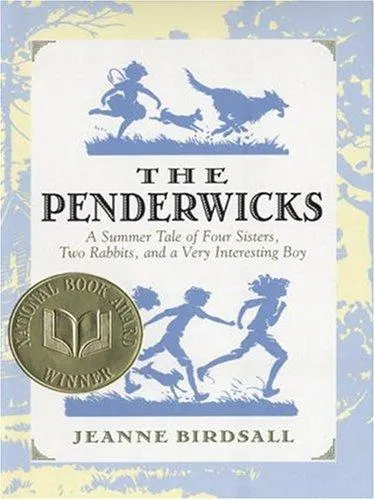
For the reader who especially loves watching the Moffat siblings operate as a shifting alliance, The Penderwicks is irresistible. Four sisters arrive at a summer cottage with their absent-minded father and immediately begin making plans, keeping secrets, quarreling, reconciling, and looking after one another. Birdsall catches the private laws and loyalties of siblinghood with unusual precision.
Winner of the National Book Award for Young People’s Literature, this modern classic has the unforced warmth of an older family story without becoming an imitation of one. Its comedy is generous, its children are gloriously unlike one another, and finishing it brings the best possible problem: wanting the next Penderwick book at once.