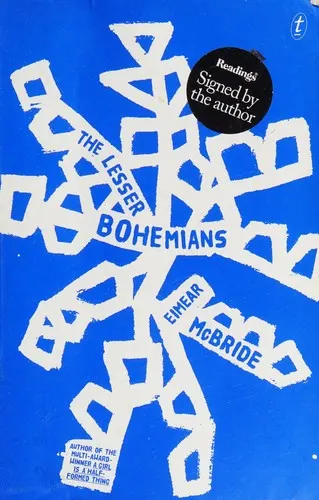
Books like The Lesser Bohemians
A live wire runs through these books: touch, memory and self-invention flare together, while each sentence seems to discover feeling at the same instant as its characters.
If you liked The Lesser Bohemians, you’ll love these
Not lookalikes — kindred books. Each one shares something essential with The Lesser Bohemians, and we tell you exactly what.
Like McBride, Greenwell treats sex not as ornament or provocation but as a form of knowledge. An American teacher preparing to leave Sofia moves through encounters in which desire exposes shame, power, fear and startling tenderness. The explicit scenes matter because every gesture alters what the characters can understand about themselves.
Greenwell’s poised, accumulating sentences differ from McBride’s ruptured rhythms, but they exert the same pressure on language until ordinary syntax yields something intimate and dangerous. Widely acclaimed for the precision of his writing about desire, he makes Cleanness feel less like a story observed than an experience entered.
For the reader who loved how The Lesser Bohemians makes consciousness happen on the page, Checkout 19 is indispensable. Its unnamed narrator grows into herself through reading, fantasy, work and writing; books are not cultural accessories but contraband doors through which she escapes, experiments and returns transformed.
Bennett’s prose darts from memory into invention, enlarges a trivial incident until it becomes an obsession, then abruptly overturns its own story. The Goldsmiths Prize-shortlisted novel has the exhilarating recklessness of a mind refusing to be tidied into conventional narrative. It captures, with rare accuracy, the moment a young woman realizes that language can make a life rather than merely describe one.
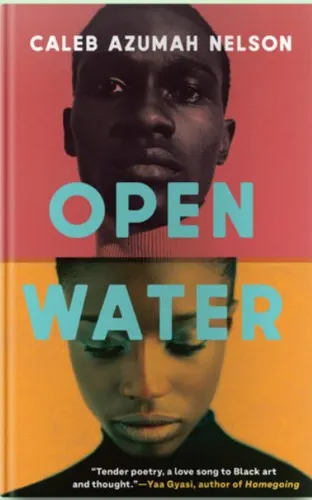
Two young Black artists—a photographer and a dancer—meet in South London and edge from friendship toward love. What links their story to McBride’s is not merely youth or London, but the understanding that intimacy can be both refuge and exposure: to let another person see you is also to uncover everything you have survived.
Nelson’s second-person narration creates an unusual closeness, while its musical repetitions turn desire, art and fear into bodily rhythms. The tenderness is never naïve; public danger follows the lovers into their most private moments. Winner of the Costa First Novel Award, Open Water became a beloved debut because its lyricism carries genuine emotional weight. Its beauty bruises.