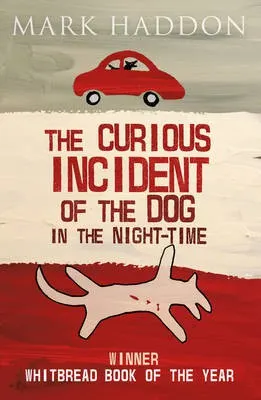
Books like The Curious Incident of the Dog in the Night-Time
Christopher’s diagrams, prime-numbered chapters, and ferocious literalness do more than make his voice distinctive: they let us watch logic collide with the evasions of people who love one another.
If you liked The Curious Incident of the Dog in the Night-Time, you’ll love these
Not lookalikes — kindred books. Each one shares something essential with The Curious Incident of the Dog in the Night-Time, and we tell you exactly what.
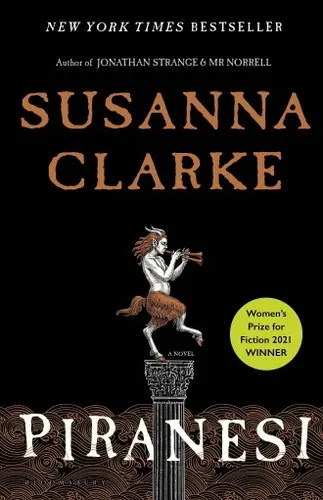
Piranesi records his strange world with exacting care, cataloguing its halls, statues, tides, and few inhabitants. As with Christopher, his orderly account lets the reader notice troubling implications that he cannot yet interpret; the resulting mystery is inseparable from the question of whom a trusting person can believe.
Clarke’s novel is more dreamlike than Haddon’s, but it has the same rare balance of innocence, dry comedy, suspense, and emotional force. Winner of the Women’s Prize for Fiction, it is a short, exquisitely controlled book whose apparent puzzle opens into something profoundly humane.
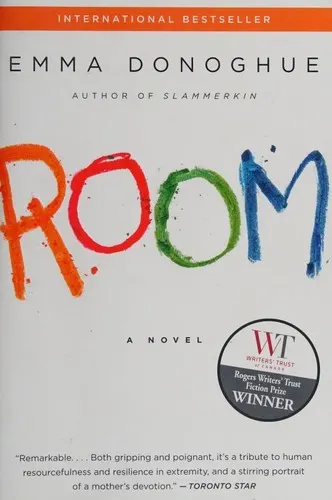
Five-year-old Jack narrates the life he shares with his mother in a single locked room. Because this is the only world he knows, ordinary words acquire private meanings, while the adult reader understands dangers and compromises that Jack does not. Donoghue turns that gap in understanding into extraordinary tension without treating Jack as merely a literary device.
Readers who loved piecing together the family reality behind Christopher’s statements will find the same active, intimate reading experience here. Booker-shortlisted and beloved far beyond literary circles, Room is harrowing, inventive, unexpectedly funny, and above all a fiercely convincing portrait of love expressed through routines, rules, and stories.
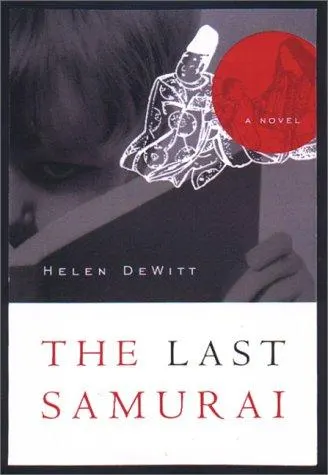
Sibylla, an intellectually ravenous single mother, raises her prodigious son Ludo on Greek, mathematics, Icelandic sagas, and repeated viewings of Kurosawa’s Seven Samurai. Ludo soon applies his formidable intelligence to the unanswered question at the center of his family.
Where Haddon uses numbered chapters and diagrams, DeWitt fills the page with languages, lists, patterns, and intellectual games; in both novels, formal cleverness intensifies rather than replaces feeling. Yet The Last Samurai is wilder, denser, and more audacious—a cult classic rescued from publishing limbo and now widely regarded as a modern masterpiece. Its brilliance lies in showing that knowledge can organize a life without telling you how to live it.