Books like The Cowards
Martin Amis’s The Rachel Papers has no occupation or uprising, but it isolates one of Škvorecký’s greatest pleasures: the dazzlingly articulate young man whose wit cannot conceal his vanity, lust, and talent for evasion. The other two choices pursue The Cowards’ equally distinctive refusal to separate private absurdity from public history.
If you liked The Cowards, you’ll love these
Not lookalikes — kindred books. Each one shares something essential with The Cowards, and we tell you exactly what.
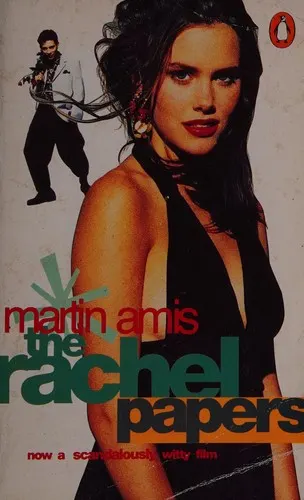
Charles Highway approaches sex and adulthood as research projects, complete with files, rehearsals, and ruthless revisions of the truth. Like Danny Smiricky, he narrates so stylishly that self-exposure and self-exoneration become almost indistinguishable. Both novels understand how a clever young man turns culture, romance, and irony into instruments for avoiding honest judgment.
Amis’s Somerset Maugham Award-winning debut is nastier and more verbally extravagant than The Cowards, but it offers the same illicit pleasure: inhabiting a consciousness that is irresistible precisely because it keeps revealing its smallness. Readers who enjoyed Škvorecký’s fusion of comedy and moral equivocation should not miss this virtuoso anatomy of youthful pose.
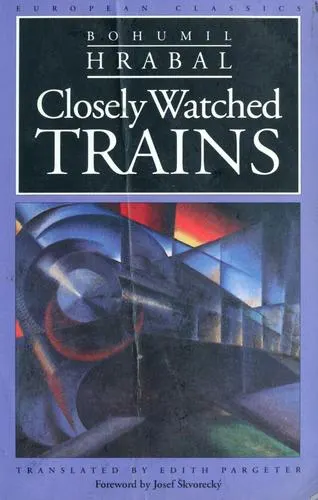
At a provincial railway station under German occupation, the young Miloš Hrma is preoccupied less with history than with an intimate humiliation. Around him, uniforms, timetables, flirtations, pomposity, and danger mingle without observing the boundaries expected of a solemn war story.
That is the deep kinship with The Cowards: Hrabal distrusts prefabricated heroism yet remains intensely interested in what courage might look like when practiced by an embarrassed, desiring, thoroughly unmonumental person. His brief novel moves with astonishing ease between bawdy comedy, tenderness, and violence. It became an international Czech classic—and inspired an Oscar-winning film—because its lightness never diminishes its moral force. Few novels so short leave such a complicated afterimage.
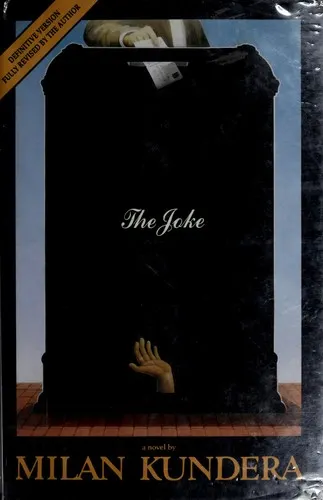
A sardonic postcard, sent by a young man who enjoys sounding clever, is interpreted as ideological treason. From that wonderfully disproportionate beginning, Kundera examines the collision between official conviction and the private motives—resentment, erotic rivalry, wounded pride—that actually govern people.
A lover of The Cowards will recognize the demolition of noble historical narratives, but Kundera uses a different instrument: several competing voices revise one another until certainty itself becomes suspect. His characters are not innocent victims standing outside the age; they carry its habits of domination into love, revenge, and memory. Published during the cultural thaw of the 1960s and suppressed after the Soviet invasion, The Joke became one of the defining novels of Communist Czechoslovakia. Its bitterness, formal intelligence, and merciless understanding of self-deception make it indispensable beside Škvorecký.