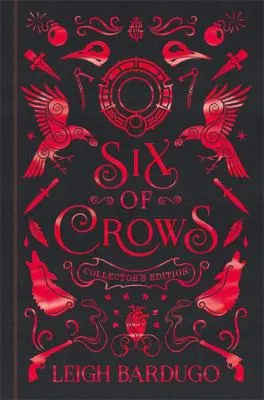
Books like Six of Crows
Reading Six of Crows feels like watching six knives thrown at once: every character follows a different arc, yet somehow they strike the same target. These novels capture that exhilarating mixture of dangerous competence, barbed affection, hidden vulnerability, and trust earned under pressure.
If you liked Six of Crows, you’ll love these
Not lookalikes — kindred books. Each one shares something essential with Six of Crows, and we tell you exactly what.
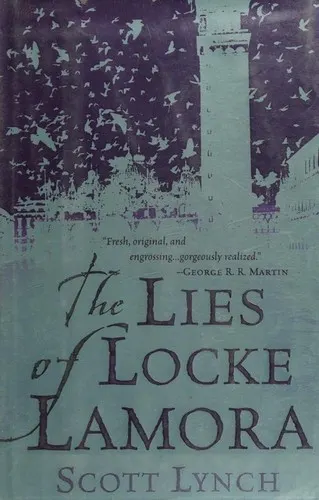
Locke Lamora is the natural next obsession for anyone who delighted in Kaz Brekker’s audacity. Locke leads a close-knit band of con artists whose schemes depend on disguises, improvisation, and each member knowing exactly when to play their part. The pleasure lies not merely in whether a plan succeeds, but in watching clever people build it—and then think furiously when reality tears it apart.
Lynch pairs intricate deception with profane, exuberant banter and a friendship of extraordinary warmth. Beneath the swagger, this is a novel about what loyalty costs when the world discovers where you are vulnerable. A modern fantasy favorite with an intensely devoted readership, it delivers the rare combination of ingenious plotting and genuine emotional bruising.
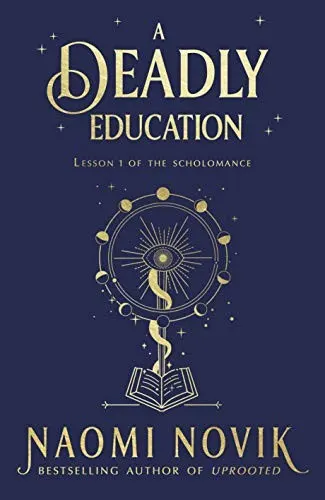
Galadriel Higgins has the abrasive voice, formidable power, and carefully concealed decency that make Bardugo’s most guarded characters so compelling. She attends a magical school with no teachers and a horrifying mortality rate, where every alliance is transactional—until repeated acts of trust begin turning survival partners into something dangerously like friends.
Novik makes social calculation feel as tense as combat: El must constantly judge who has resources, who owes whom, and whether doing the right thing will get her killed. Her furious narration is extremely funny, while the slow dismantling of her isolation gives the book its heart. The opening volume of the acclaimed Scholomance trilogy, it turns a hostile system and an apparently unlikable heroine into an irresistible story of solidarity.
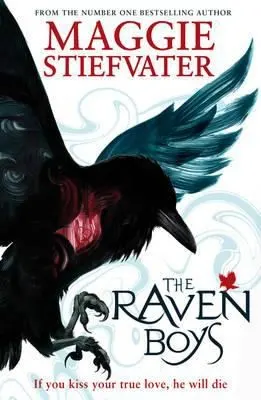
Read this for the element many imitators of Six of Crows miss: the sense that a group of sharply distinct characters is becoming indispensable to one another. Blue Sargent falls in with four boys bound together by friendship, secrets, and an obsessive search. Their chemistry is wonderfully specific—privilege chafes against poverty, bravado masks fear, and jokes become a private language of loyalty.
Stiefvater favors yearning and uncanny atmosphere over breakneck action, but she shares Bardugo’s gift for charged silences, restrained romance, and damaged young people who recognize one another before they fully understand themselves. The Raven Cycle inspired lasting reader devotion because its friendships feel less like plot machinery than a place one desperately wants to belong. By the end, these characters will seem like people you have known—and miss.