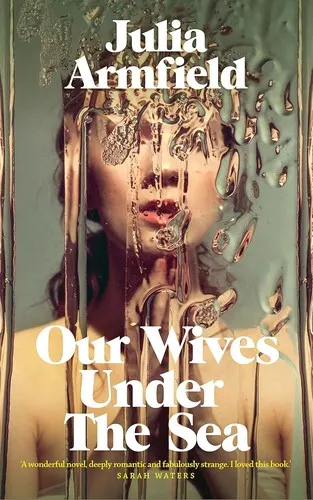
Books like Our Wives Under the Sea
Monstrilio gives grief claws and teeth; Mrs Caliban seats the impossible quietly at the kitchen table. Paradise Rot, meanwhile, finds its uncanny power in the porous border between desire, decay, and the body. All three share Armfield’s rare ability to make horror intimate rather than merely frightening.
If you liked Our Wives Under the Sea, you’ll love these
Not lookalikes — kindred books. Each one shares something essential with Our Wives Under the Sea, and we tell you exactly what.
After her young son dies, Magos secretly cuts a piece from his lung and nurtures it—an act of mourning that becomes an act of creation. Like Our Wives Under the Sea, this Lambda Literary Award-winning debut asks what love means when the beloved returns in a form that cannot restore what was lost.
Its horror is visceral, but its real subject is care: the tenderness, selfishness, fear, and endurance concealed inside that word. Sámano Córdova refuses to separate monstrosity from personhood or grief from appetite. The result is stranger and more emotionally expansive than its macabre premise suggests—a novel likely to leave Armfield’s readers devastated, protective, and unable to stop thinking about it.
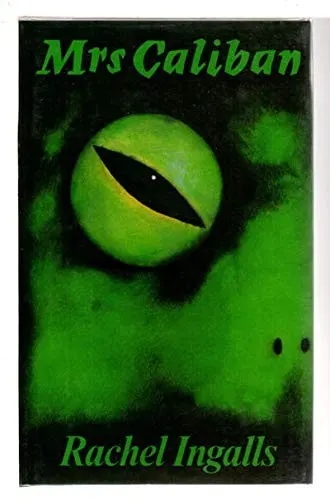
Dorothy is trapped in a numb marriage when an amphibious creature named Larry enters her life. Ingalls narrates this outrageous development with perfect composure: errands continue, meals are prepared, and loneliness remains painfully ordinary.
That deadpan collision of domestic realism and the impossible will feel instantly right to an Armfield reader. Both novels understand that a marriage can become uncanny long before anything supernatural happens, and that desire may expose rather than cure isolation. Once neglected and now firmly established as a cult classic, Mrs Caliban is remarkably compressed, funny, erotic, and sad—a tiny novel with the emotional pressure of something many times its size.

Jo, a student newly arrived in a foreign country, moves into a decaying former brewery with Carral. The building leaks, smells, sprouts fungus, and seems increasingly unwilling to keep bodies, objects, and sensations properly separate.
Hval’s prose makes dampness and rot almost intoxicating. Where Armfield uses the sea to erode the boundary between wife and stranger, Hval uses shared space and queer desire to dissolve the distinction between self and other. This slender cult favorite is less concerned with explaining its transformations than with making you feel them: clammy, erotic, repellent, and mesmerizing. Few novels capture bodily permeability with such unnerving beauty.