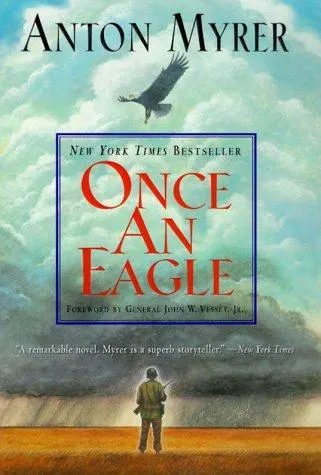
Books like Once an Eagle
Once an Eagle turns an officer’s career into a decades-long moral stress test: every promotion asks whether power can be gained without coming to value advancement above duty.
If you liked Once an Eagle, you’ll love these
Not lookalikes — kindred books. Each one shares something essential with Once an Eagle, and we tell you exactly what.
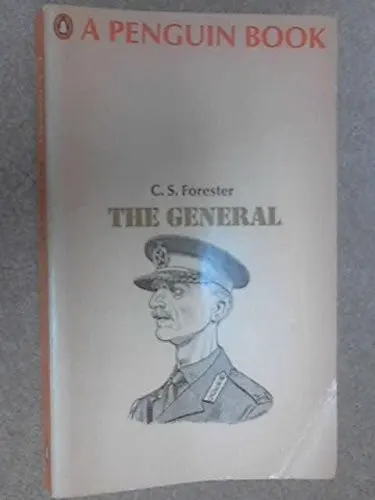
Forester offers a bracing counterpoint to Sam Damon. His British officer is courageous, dutiful, personally honorable—and dangerously limited. The novel asks whether the very qualities an army rewards in peacetime can become liabilities when command demands imagination rather than obedience.
Spanning a military career with remarkable economy, The General examines how institutions manufacture their leaders and how sincere patriotism can coexist with disastrous judgment. Forester’s cool, unsparing irony makes this classic study of generalship feel like the shadow cast by Once an Eagle: read together, the two novels create an extraordinary argument about what makes a good soldier and what makes a great commander.

Where Myrer surveys command from the officers’ world, James Jones makes you feel military power pressing directly upon the bodies and consciences of enlisted men. At Schofield Barracks, Robert E. Lee Prewitt refuses to join his company’s boxing team despite intense pressure from superiors. That apparently narrow dispute becomes a test of whether a soldier can preserve a private code inside an institution that demands conformity.
Jones served in the prewar Hawaiian army he depicts, and his knowledge saturates everything: barracks hierarchies, favors, punishments, friendships and the humiliations hidden beneath official discipline. Winner of the National Book Award, this is not merely a celebrated war novel but one of the fiercest American novels about integrity under organized pressure. Anyone moved by Damon’s refusal to become Massengale will recognize Prewitt’s stubborn, costly independence.
Jake Holman arrives aboard the USS San Pablo caring more about engines than causes. He understands machinery because machinery responds honestly to competence; people, customs and chains of command are harder. From that superb opening, Richard McKenna builds a novel about professional mastery becoming moral responsibility—the same progression that gives Sam Damon’s soldiering its weight.
McKenna’s long naval service gives the shipboard world exceptional authority, but technical authenticity is only the foundation. The deeper subject is how an independent man decides what he owes his comrades, his service and those affected by its presence abroad. The Harper Prize-winning novel has the texture of lived experience and the reach of tragedy. Its engine-room detail, difficult loyalties and refusal of easy righteousness make it one of the military novels a Once an Eagle reader should not overlook.