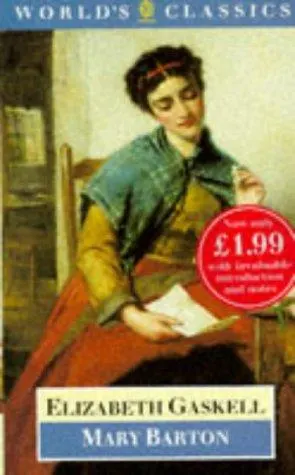
Books like Mary Barton
Mary Barton wounds so deeply because hunger never remains an abstraction: it enters the kitchen, distorts love, and gives political anger the face of someone we have come to cherish.
If you liked Mary Barton, you’ll love these
Not lookalikes — kindred books. Each one shares something essential with Mary Barton, and we tell you exactly what.
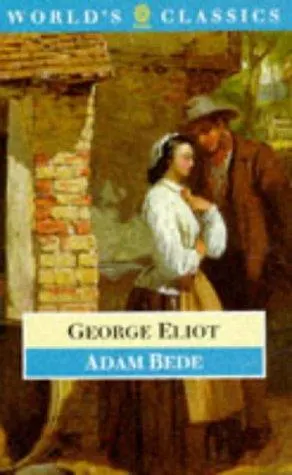
Eliot shares Gaskell’s rare willingness to take working people’s moral lives completely seriously. Her carpenters, dairymaids, farmers, and preachers are neither social specimens nor emblems of virtue; their vanities and kindnesses receive the same searching attention.
The village world is more pastoral than Manchester, but it has Mary Barton’s decisive mixture of intimate feeling and social vision. Eliot’s warm, intrusive narrator continually complicates blame, asking us to understand characters precisely when judgment feels easiest. Adam Bede established Eliot as a major novelist, and its tactile workshops, fields, and kitchens still feel inhabited rather than reconstructed. If Gaskell’s compassionate intelligence mattered as much to you as her industrial subject, this is essential.
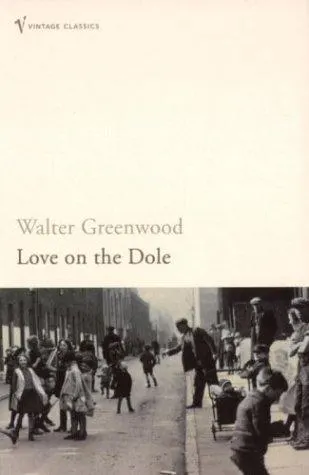
Greenwood returns to working-class Salford in the Depression and writes with the authority of someone who knew its factories, pawnshops, unemployment queues, and cramped houses firsthand. The prose is flintier than Gaskell’s, but the emotional mechanism is strikingly similar: economic forces become painful because they press upon courtship, family pride, youth, and the hope of an ordinary future.
A defining British novel of mass unemployment, Love on the Dole also reached a wide audience through its celebrated stage adaptation and helped force comfortable readers to confront the means-test era. Yet it survives because it is not merely documentary. Its people joke, desire, quarrel, and preserve scraps of dignity under relentless pressure. Mary Barton readers will recognize the same refusal to separate private heartbreak from public injustice.
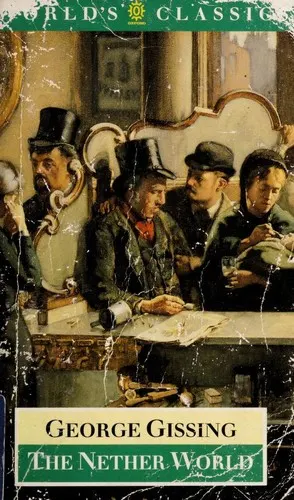
For the darkest element in Mary Barton—the sense that poverty narrows choices long before anyone makes a fatal one—read The Nether World. Gissing’s Clerkenwell is built from shabby rooms, small workshops, uncertain wages, and calculations over every coin. He understands how deprivation invades imagination itself, teaching people what they may no longer dare to want.
Gissing is harsher and less consoling than Gaskell, but never merely clinical. His close attention to disappointed affection and compromised goodness gives the novel a terrible emotional pressure. Widely regarded as one of his masterpieces and a landmark of late-Victorian urban realism, it offers none of the picturesque glow sometimes cast over Victorian poverty. To read it after Mary Barton is to see Gaskell’s moral question pursued to its bleakest, most unforgettable conclusion: what becomes of tenderness when society gives it almost no room to live?