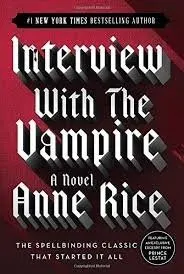
Books like Interview with the Vampire
Interview with the Vampire understands that immortality does not end suffering; it gives guilt, desire, and bereavement endless time to deepen.
If you liked Interview with the Vampire, you’ll love these
Not lookalikes — kindred books. Each one shares something essential with Interview with the Vampire, and we tell you exactly what.
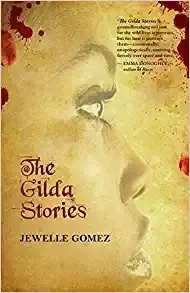
Gomez offers a fascinating counterpoint to Louis: another queer vampire moving through history, but one who tries to make feeding reciprocal rather than predatory and immortality sustaining rather than spiritually ruinous. Beginning with an enslaved Black girl’s escape in 1850, the novel treats eternal life as a succession of attachments, separations, and improvised families.
A two-time Lambda Literary Award winner, it has become a landmark of Black lesbian speculative fiction. Its tenderness does not blunt the loneliness of outliving others; it makes that loneliness more piercing. Readers who loved Anne Rice’s insistence that vampires have moral lives—not merely appetites—should consider Gomez essential.
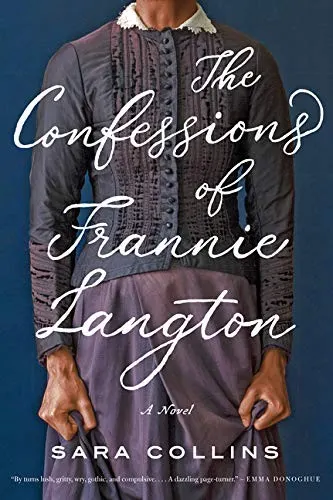
Frannie Langton begins her account in a London prison, accused of murdering the household that employed her. Like Louis speaking into the interviewer’s recorder, she controls a confession in which memory is both evidence and self-creation. Her voice is intelligent, sensuous, wounded, and not always willing to make itself comfortable for the listener.
Collins replaces supernatural damnation with the horrors people authorize through race, class, science, and possession. Yet the novel has the same charged mixture of forbidden intimacy, gothic luxury, and corrosive dependence that makes Louis and Lestat’s bond unforgettable. Winner of the Costa First Novel Award, this is a rare literary gothic whose atmosphere is matched by the force of its moral argument.
Jake Marlowe has lived for two centuries and believes he is the last of his kind. He is cultivated, exhausted, sexually ravenous, and mordantly aware that intelligence has done nothing to redeem his appetite. Duncan lets him narrate with a mixture of philosophical weariness and predatory relish: Louis’s anguished self-interrogation sharpened into black comedy.
This is not a werewolf novel offered merely in place of a vampire novel. It shares Rice’s great achievement: making monstrosity feel like a complete consciousness, with its own metaphysics, bodily pleasures, evasions, and despair. The prose is muscular and unembarrassed by excess, while Jake’s fatigue with endless life gives the book genuine existential weight. It is the opening volume of a celebrated trilogy, but its fiercely distinctive voice is reason enough to read it.