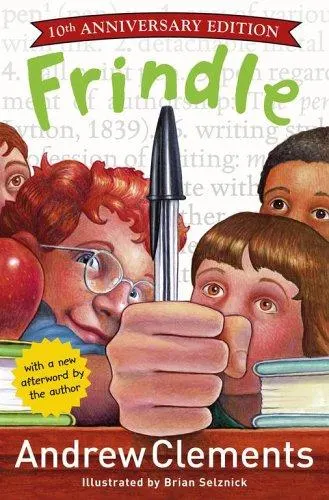
Books like Frindle
Frindle leaves you hungry for more stories in which a bright child tests an ordinary rule, discovers that ideas can escape their inventor, and meets adults who are worth challenging—and understanding.
If you liked Frindle, you’ll love these
Not lookalikes — kindred books. Each one shares something essential with Frindle, and we tell you exactly what.
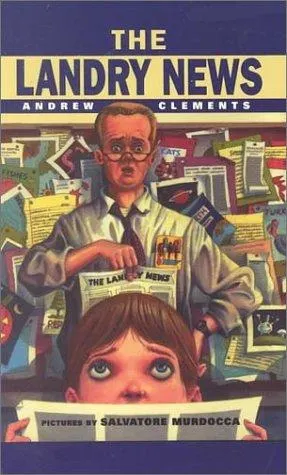
Clements again turns a classroom project into a serious contest over who gets to speak and who must listen. Cara Landry creates a newspaper whose blunt criticism of her teacher, Mr. Larson, forces both of them to confront the difference between honesty and cruelty, freedom and responsibility.
Like Frindle, it never reduces the conflict to clever child versus foolish adult. Cara’s words have consequences; Mr. Larson has failures as well as dignity. That moral balance, delivered with Clements’s effortless humor and momentum, makes this enduring school-story favorite feel like Frindle’s closest companion.
Jackson Greene has supposedly retired from elaborate schemes—until a school election appears to be rigged. What follows begins as a delicious exercise in ingenuity: Jackson assembles a team whose members have sharply different talents and personalities, then tries to outthink a system stacked against them.
A Frindle reader will recognize the thrill of watching intelligence become collective power. Johnson understands school politics as its own miniature world, where rules matter, reputations linger, and children can be far more strategic than adults expect. The book became popular enough to launch further adventures, and its buoyant, precision-engineered plotting makes it difficult to read without rooting fiercely for the crew.
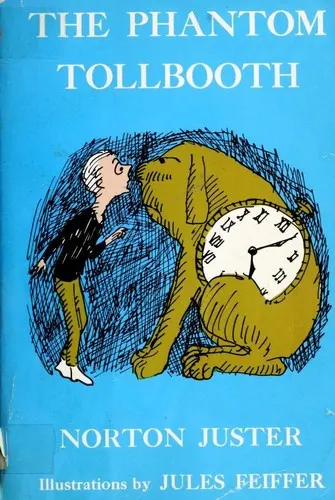
Nick Allen discovers that a word can be made; bored young Milo discovers that words can remake the way he sees everything. A mysterious tollbooth sends Milo into a world governed by puns, idioms, numbers, and ideas taken wonderfully—and sometimes alarmingly—literally.
The kinship lies deeper than wordplay. Both novels treat curiosity as a form of rebellion against received wisdom, while trusting young readers to enjoy arguments about meaning without turning them into lessons. Since 1961, Juster’s novel has inspired generations of devoted rereaders because its jokes grow richer as they do. Anyone exhilarated by Frindle’s proof that language belongs to its users should not miss this exuberant classic about learning to notice what words can do.