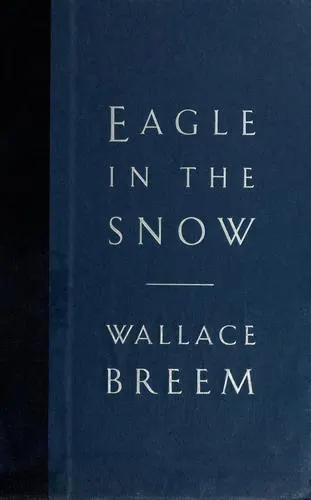
Books like Eagle in the Snow
After Breem’s last page, one craves more novels in which discipline confronts futility, command becomes a moral burden, and civilization survives—if at all—through the exhausted decency of individuals.
If you liked Eagle in the Snow, you’ll love these
Not lookalikes — kindred books. Each one shares something essential with Eagle in the Snow, and we tell you exactly what.
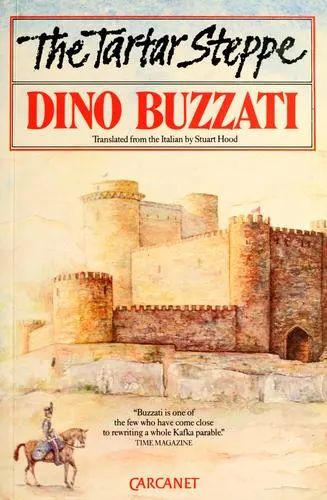
Lieutenant Giovanni Drogo arrives at a remote frontier fortress where everyone awaits an enemy who may never come. Buzzati turns military vigilance into an existential trap: routines harden into identity, years disappear, and the hope of one decisive test begins to consume the life it was meant to justify.
What Breem expresses through Maximus’s doomed professionalism, Buzzati distils into eerie, dreamlike suspense. The fort, its empty horizon and its immaculate regulations become almost metaphysical. Buzzati’s best-known novel is a modern Italian classic because it makes wasted time feel as frightening as battle. Anyone moved by Maximus’s fidelity to an abandoned frontier should find Drogo’s vigil unforgettable.
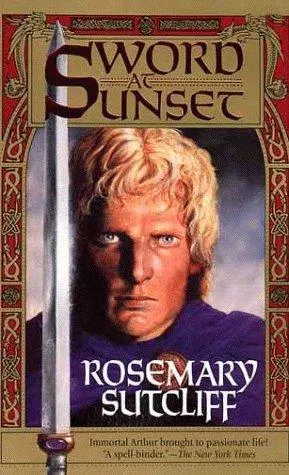
Sutcliff strips the Arthurian story of pageantry and presents Artos as a hard-used cavalry commander trying to preserve law, literacy and ordinary human safety after Rome’s withdrawal from Britain. The kinship lies not merely in the dying Roman world, but in the novel’s conception of leadership: every tactical choice costs lives, private happiness is subordinate to public duty, and victory can mean buying only a little more time.
Sutcliff writes landscape, horses, weather and fighting with tactile authority, yet the novel’s real force is its grave first-person voice. Long admired as her great novel for adults, Sword at Sunset gives Arthur back the fatigue, compromises and loneliness that legend erased. For a reader who loved Maximus not simply as a soldier but as the last responsible man at his post, Artos is essential company.
Lartéguy begins with French officers enduring captivity after defeat in Indochina, men forced to reconsider what an army is when its institutions, doctrines and political masters have failed it. Their conversations about loyalty, hierarchy and unconventional war have the dangerous vitality of ideas formed under pressure rather than in safety.
Like Breem, Lartéguy understands soldiers as a distinct moral community—capable of courage and tenderness, but also of becoming estranged from the society they defend. The novel is more politically abrasive than Eagle in the Snow, and deliberately so: it asks what disciplined men may turn into when duty survives but faith in the state does not. A cult classic among soldiers and military thinkers, The Centurions is one of the rare war novels whose arguments have influenced the real world. Its moral unease lingers long after its campaigns.