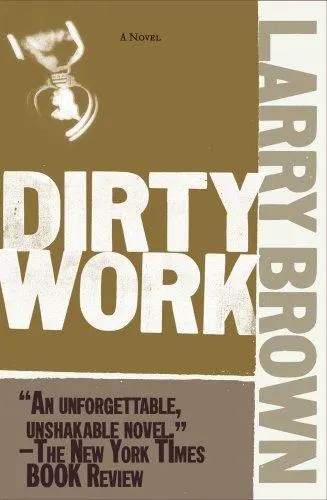
Books like Dirty Work
Reading Dirty Work feels like spending the small hours beside two men who have run out of reasons to lie: the talk is profane, bitterly funny, repetitive, and then abruptly tender enough to hurt. These novels share its respect for damaged bodies, defeated lives, and the dignity hidden inside unpolished speech.
If you liked Dirty Work, you’ll love these
Not lookalikes — kindred books. Each one shares something essential with Dirty Work, and we tell you exactly what.
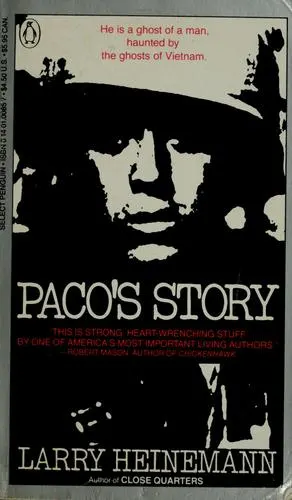
Paco is the badly wounded survivor of a destroyed Vietnam platoon, but his dead comrades narrate much of his return to an ordinary American town. That audacious chorus makes survivor’s guilt palpable without turning it into diagnosis or uplift.
Like Brown, Heinemann understands that war continues through the body: in pain, shame, compromised desire, and the exhausting business of getting through a workday. His language can be barracks-crude, hallucinatory, and unexpectedly gentle. Paco is never reduced to either hero or victim.
Its National Book Award recognized a novel willing to make the veteran’s loneliness formally strange as well as emotionally devastating. If Dirty Work’s mixture of testimony, black humor, and moral anguish held you, Paco’s Story is indispensable.
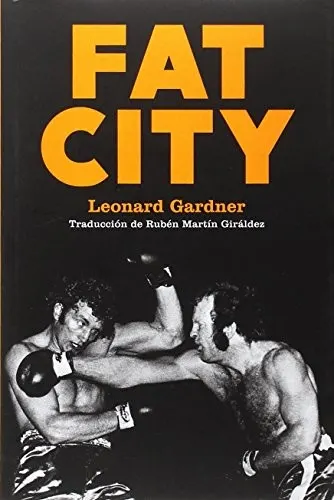
Leonard Gardner’s only novel follows two boxers at opposite ends of disappointment: Billy Tully, already worn down by drinking and failed comebacks, and Ernie Munger, young enough to mistake possibility for promise. The fights matter less than the fields, gyms, rented rooms, and bars where their lives are spent.
Gardner writes with Brown’s unsentimental compassion. He never beautifies poverty or explains his characters from above; he lets a gesture, a boast, or an awkward silence reveal how badly someone wants to retain a scrap of pride. The prose is lean, but its precision makes every humiliation register.
More than fifty years after publication, Fat City remains a defining American boxing novel because it is really about labor, loneliness, and the terrible durability of hope. Dirty Work readers will recognize its bruised humanity immediately.
In a cheap Reno motel, brothers Frank and Jerry Lee Flannigan face a disaster they are scarcely equipped to survive. Jerry Lee has already lost a leg; Frank possesses little except loyalty and a gift for inventing stories that briefly carry them somewhere kinder.
What connects Vlautin to Brown is not merely his attention to people living close to ruin, but his refusal to condescend to them. The brothers drink, panic, make poor decisions, and care for each other with a devotion they cannot articulate. Frank’s improvised tales give the novel an additional ache: storytelling is both escape and the best love he knows how to offer.
This debut helped establish Vlautin as one of contemporary fiction’s most trusted chroniclers of working-class endurance. The Motel Life is quieter than Dirty Work, but it leaves the same conviction behind—that a broken life can still contain loyalty, humor, and grace.