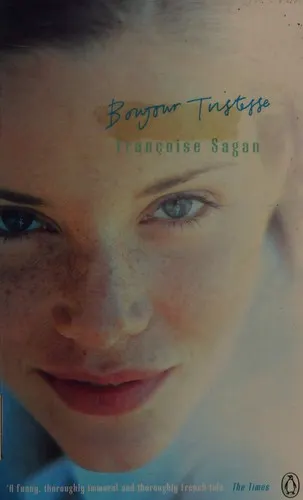
Books like Bonjour Tristesse
Sunlight flashes on a glass, voices remain perfectly composed, and somewhere just beyond the terrace an emotional disaster is already taking shape. These novels share Sagan’s gift for making elegance feel dangerous.
If you liked Bonjour Tristesse, you’ll love these
Not lookalikes — kindred books. Each one shares something essential with Bonjour Tristesse, and we tell you exactly what.
Ginzburg begins with a gunshot, then writes with astonishing calm about the marriage that preceded it. Like Sagan, she refuses melodrama even when her material seems to demand it: short declarative sentences expose vanity, dependence and cruelty more brutally than any outpouring could.
This is the darkest of the three choices, but perhaps the closest to Bonjour Tristesse in its merciless clarity. Ginzburg—one of twentieth-century Italy’s essential writers—understands how people can observe their own corruption without acquiring the strength to stop it. The novel is so concentrated that almost every sentence feels irreversible.
If what captivated you was the union of sensual glamour and retrospective sorrow, read The Lover. An older narrator returns to her adolescence in colonial Indochina: the ferry crossing, the famous man’s hat, the gold lamé shoes, the black limousine. Desire arrives already steeped in memory, money and shame.
Winner of the Prix Goncourt and Duras’s most widely beloved novel, it has the same unnerving doubleness as Sagan: the young woman acts with audacity while the older voice understands the cost. Duras’s fragmented, incantatory prose is unlike Sagan’s classical smoothness, but it creates an equally intoxicating spell—heat shimmering over emotional ruin.
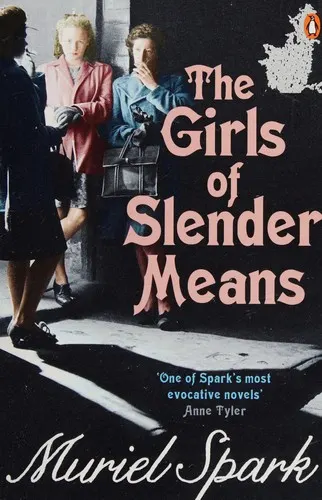
Spark’s young women inhabit a shabby London residence after the Second World War, sharing dresses, rationed food, literary quotations and ruthless judgments. Their world seems featherlight and comic, yet Spark keeps letting mortality show through its cracks.
What links her most powerfully to Sagan is tonal control. Both writers can expose selfishness in a sentence so polished that you almost miss the knife entering. Spark’s slim, intricately constructed novel—long regarded as one of her finest—turns social comedy into something haunting without ever becoming solemn. Anyone who admires how Bonjour Tristesse makes catastrophe emerge from bright surfaces should not miss it.