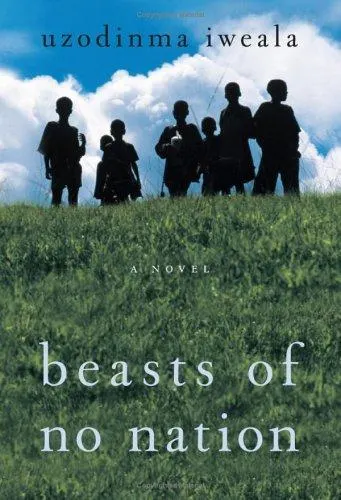
Books like Beasts of No Nation
After Agu’s shattered, propulsive voice, one craves novels in which language itself bears the damage—fierce, intimate books that confront corrupted innocence without turning suffering into spectacle.
If you liked Beasts of No Nation, you’ll love these
Not lookalikes — kindred books. Each one shares something essential with Beasts of No Nation, and we tell you exactly what.
Birahima, an orphan swept into West Africa’s wars, narrates with dictionaries at hand, irreverently defining the French words, Malinké expressions, military jargon, and obscenities he uses. Like Agu, he rebuilds language to describe a world whose adults have destroyed ordinary moral logic.
Yet Kourouma adds savage comedy: Birahima’s swagger and pedantry are funny until the horror beneath them becomes unmistakable. Winner of both the Prix Renaudot and the Goncourt des Lycéens, this is perhaps the closest companion to Iweala’s novel—not because both concern child soldiers, but because both make a child’s voice an act of survival.
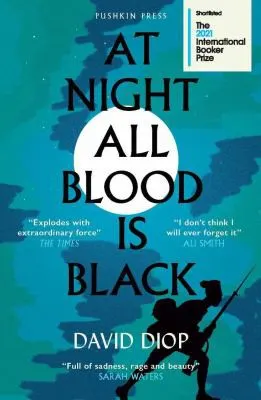
Alfa Ndiaye, a Senegalese rifleman fighting for France in the First World War, speaks in repetitions that gradually become incantatory. His account begins after the death of his closest friend, when grief, guilt, and military obedience have started to twist together.
Anna Moschovakis’s translation preserves the prose’s hypnotic circularity: thoughts recur, darken, and acquire new meanings, much as Agu’s broken syntax reveals more than polished narration could. This International Booker Prize winner is brief but consuming—a feverish study of how war manufactures the madness it then condemns.
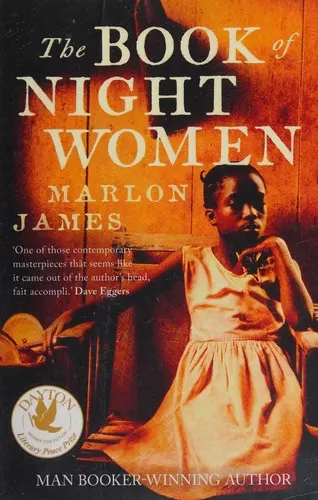
Lilith is born on a Jamaican sugar plantation under ominous signs and grows into a young woman whose intelligence and fury cannot be contained by the roles imposed on her. Marlon James writes in patois-inflected prose that can turn from intimate speech to biblical thunder in a sentence.
What connects it to Beasts of No Nation is its refusal to make innocence simple. Violence deforms every relationship, yet the oppressed remain complicated people—strategic, cruel, tender, jealous, and alive. A National Book Critics Circle Award finalist, this was the novel that helped establish James’s formidable reputation. Its voice does not merely recount brutality; it wrests power from it.