
Books like Beast in View
Afterimages. Margaret Millar’s masterpiece lingers because its psychological shocks illuminate everything that came before: loneliness, social cruelty, and the treacherous stories people tell about themselves. These three novels create that same uneasy compulsion in distinct ways.
If you liked Beast in View, you’ll love these
Not lookalikes — kindred books. Each one shares something essential with Beast in View, and we tell you exactly what.
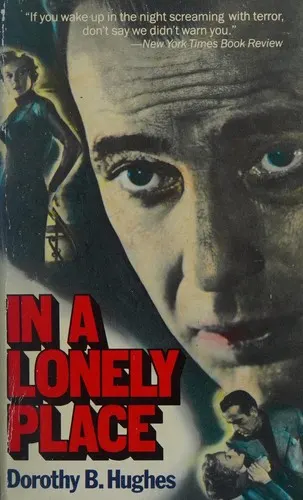
Hughes offers the closest match to Millar’s fusion of noir suspense and ruthless psychological insight. In postwar Los Angeles, Dix Steele drifts through an apparently enviable life while a series of murders unsettles the city. Hughes keeps the reader unnervingly close to him, then uses the alert intelligence of the women around him to challenge how danger is usually perceived—and whose perceptions are believed.
The celebrated film adaptation is excellent but radically different; the novel is colder, stranger, and more formally daring. Like Beast in View, it turns loneliness into a distorting force and makes ordinary encounters throb with menace. Its revival as a classic of American noir is thoroughly deserved: miss it, and you miss one of the genre’s sharpest dismantlings of masculine charm and self-deception.
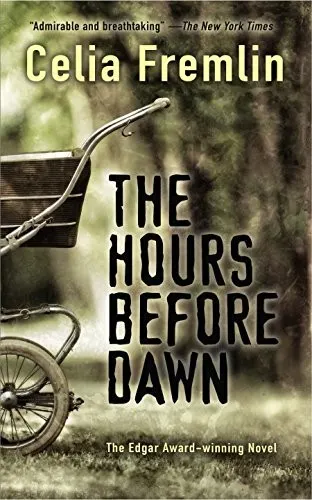
Louise Henderson is so exhausted by her wakeful baby, demanding household, and unhelpful family that even she no longer trusts her judgment. Then the Hendersons take in a lodger whose quiet presence begins to trouble her. Fremlin builds suspense from milk bottles, thin walls, interrupted sleep, and the humiliations of being dismissed as merely overwrought.
A winner of the Edgar Award for Best Novel, this is domestic suspense in its purest form: witty, claustrophobic, and acutely aware that a woman can recognize danger while lacking the social authority to name it. Readers who loved Helen Clarvoe’s isolation—and Millar’s refusal to separate psychological distress from the way others treat it—will find Fremlin almost unbearably perceptive.
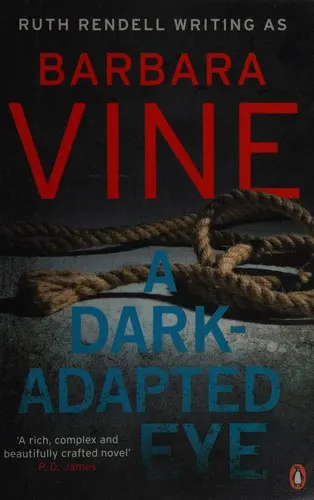
The murder is not the mystery: from the beginning, Faith Severn tells us that her aunt Vera was hanged for it. The fascination lies in reconstructing the respectable family that produced the crime—its jealousies, euphemisms, selective memories, and ferocious concern with appearances.
Writing as Barbara Vine, Ruth Rendell turns retrospective narration into an instrument of suspense. Every recovered detail changes the emotional weight of another, while Faith’s careful account reveals how families edit reality until their preferred version feels like truth. The novel won the Crime Writers’ Association Gold Dagger and remains one of Vine’s most admired works. If Beast in View thrilled you by making identity and interpretation inseparable, this slow, devastating excavation is essential.