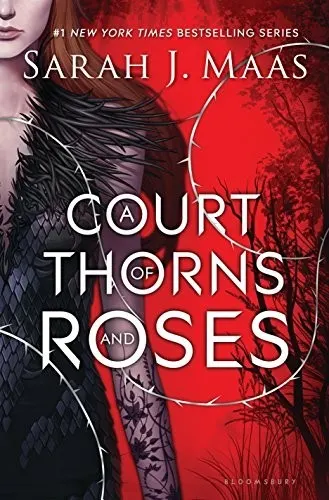
Books like A Court of Thorns and Roses
Begin with the apparent outlier, Jacqueline Carey’s Kushiel’s Dart. Its denser prose and intricate politics differ from Maas’s headlong style, but it reaches for the same intoxicating combination: sensual danger, hard-won agency, consuming love, and a heroine discovering that what others call her weakness may be her greatest power. The other two choices deliver that emotional charge more immediately, in modern romantic-fantasy form.
If you liked A Court of Thorns and Roses, you’ll love these
Not lookalikes — kindred books. Each one shares something essential with A Court of Thorns and Roses, and we tell you exactly what.
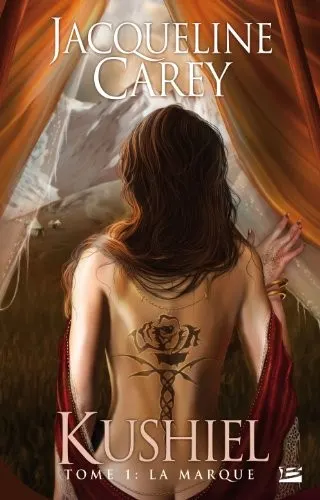
Phèdre is raised in a pleasure house and trained to observe the desires, vanities, and secrets of the powerful. Her unusual capacity for pain makes her vulnerable to exploitation—but also gives her a form of power no court schemer fully understands.
Readers who loved Feyre’s movement from survival into a dazzling, dangerous political world will recognize the appeal: seduction is inseparable from strategy, loyalties carry intimate costs, and romance must be proved through action rather than declarations. Carey’s world is more elaborate and morally complicated than most romantic fantasy, and the book has become a cult classic because its eroticism, espionage, and emotional devotion genuinely reinforce one another. It is the grand, adult epic to read when you want the intensity of ACOTAR with sharper political teeth.
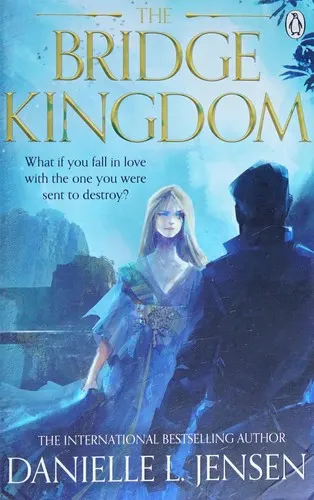
Lara has been trained from childhood to marry an enemy king—and destroy his realm from within. What unsettles her is not simply attraction to Aren, but the possibility that everything she has been taught about him, his people, and herself may be false.
Jensen turns romantic tension into a sustained crisis of allegiance. Lara is lethal and capable, yet her most consequential battles concern trust, indoctrination, and whether love can survive betrayal. The island kingdom, precarious alliances, and tactical confrontations give the relationship constant pressure; neither lead exists merely to complete the other. This series inspires fierce reader loyalty for good reason: once Lara’s divided loyalties tighten around her, stopping after the first book becomes extremely difficult.
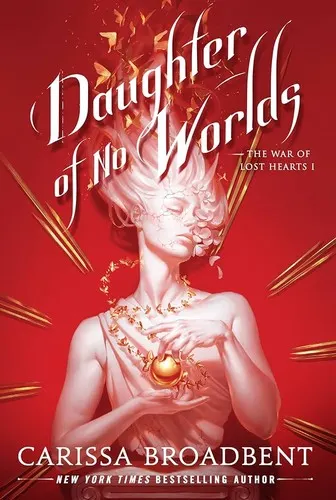
Tisaanah escapes slavery determined to gain enough magical power to free those she left behind. Her reluctant teacher, Max, is a reclusive former soldier who wants nothing to do with institutions, causes, or another person’s war.
What follows has the element many ACOTAR readers cherish most: damaged people becoming powerful not by erasing their wounds, but through trust, training, and chosen loyalty. The romance develops patiently through work and mutual respect, while the story expands into war, morally compromised magic, and questions about what liberation demands. Broadbent is especially good at making tenderness feel consequential rather than decorative. This is the choice for readers who want the found-family warmth, emotional recovery, formidable heroine, and escalating scope of Maas’s series—without sacrificing a richly earned slow burn.