Author
Books like Richard McKenna
3 books we recommend to Richard McKenna readers, drawn from The Sand Pebbles — each with the reason why.
If you loved The Sand Pebbles
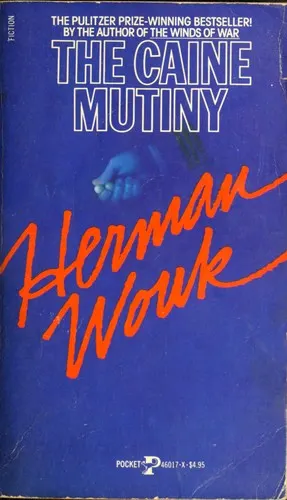
Wouk understands, as McKenna does, that a ship is both a machine and a sealed society. Aboard an aging American minesweeper, competence, rank, temperament, and obedience become dangerously entangled. The naval detail is never mere atmosphere: procedures and chains of command create the novel’s moral problem.
Winner of the Pulitzer Prize, The Caine Mutiny has endured because it denies the reader an easy villain. Its judgments keep shifting as youthful certainty meets the burdens of command. Anyone captivated by Jake Holman’s pride in skilled work—and by the gulf between knowing how a vessel functions and knowing what duty requires—should consider Wouk’s novel essential.

This is the choice for readers haunted by The Sand Pebbles’ vision of Americans blundering through another country while telling themselves they are helping. In a fictional Central American republic nearing upheaval, Stone brings together a disillusioned anthropologist, an American nun, and men whose official purposes conceal murkier loyalties.
Stone’s prose has a feverish moral intensity: political abstractions become fear, heat, appetite, courage, and self-deception. A Pulitzer finalist, A Flag for Sunrise is one of the great American novels of intervention—not because it offers a tidy indictment, but because it understands how private weakness and national power magnify each other. It carries McKenna’s tragic scrutiny of innocence into an even darker register.
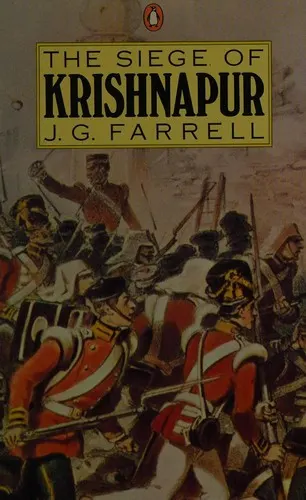
Farrell’s Booker Prize winner begins with a British colonial community supremely confident in its manners, technology, and historical mission. When that community is placed under siege, its cherished objects and assumptions are forced to prove their practical worth.
Where McKenna is grave and immersive, Farrell is mordantly funny. Yet the novels share a fascination with the material apparatus of empire: weapons, engineering, medicine, etiquette, and the belief that technical superiority demonstrates moral superiority. The comedy steadily acquires weight as resourcefulness, vanity, bravery, and delusion become nearly inseparable. Missing The Siege of Krishnapur would mean missing one of fiction’s sharpest—and most entertaining—examinations of the civilization The Sand Pebbles watches coming apart.