Author
Books like Rebecca West
3 books we recommend to Rebecca West readers, drawn from The Return of the Soldier — each with the reason why.
If you loved The Return of the Soldier
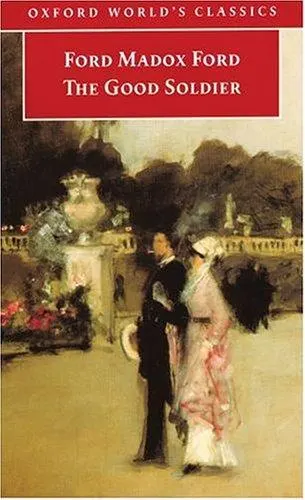
Like West, Ford turns the respectable country-house world into an instrument of suspense. Two prosperous couples appear perfectly composed, yet the narrator’s famous opening—“This is the saddest story I have ever heard”—immediately makes that composure suspect. Facts arrive out of order; judgments reverse; every polished courtesy may conceal desire or self-deception.
What makes this a particularly strong companion to The Return of the Soldier is its refusal to separate love from the stories people tell themselves about love. Ford’s subtly unreliable narration has influenced generations of novelists, but its technical brilliance never feels academic: reading it is an intimate, alarming process of discovering that you have trusted the wrong emphasis. Few novels make civilized behavior seem so dangerous.
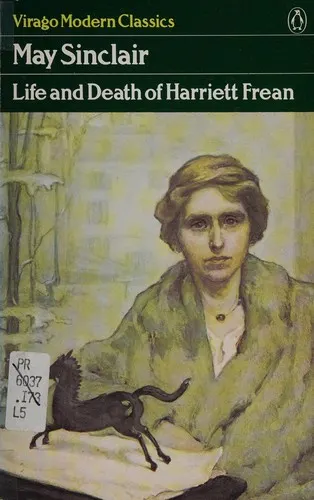
Harriett Frean has been raised to believe that goodness means restraint, self-sacrifice, and behaving beautifully. Sinclair then subjects that creed to a scrutiny as cold and exact as West’s treatment of class-bound feminine duty.
This is a small novel with a whole life compressed inside it. Its short scenes, omissions, and recurring phrases reveal how social rules migrate inward until a person mistakes them for conscience. Readers who admired the distinct moral vision of Jenny, Kitty, and Margaret will recognize Sinclair’s gift for showing how women are shaped—and sometimes imprisoned—by the roles available to them. Long valued as one of Sinclair’s sharpest works and repeatedly revived as a modernist classic, it delivers its force without melodrama. You may finish it quickly; its judgment will remain uncomfortably active long afterward.
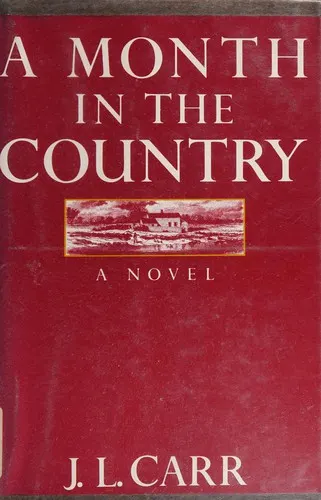
A veteran arrives in a Yorkshire village to uncover a medieval painting hidden beneath centuries of whitewash. Carr’s premise becomes an exquisitely controlled image of damaged memory: restoration proceeds carefully, while the man doing it tries to live beside experiences he cannot simply erase.
Where West gives us the terrible ambiguity of a cure, Carr explores the fragile grace of temporary refuge. His retrospective voice knows that happiness can be real even when it cannot last, and the summer landscape acquires an almost painful radiance because every sensation is measured against loss. The novel won the Guardian Fiction Prize and was shortlisted for the Booker, but its enduring reputation rests on readers’ devotion to its tenderness and precision. Barely longer than a novella, it contains more felt life than many books five times its size.