Author
Books like Rachel Ingalls
3 books we recommend to Rachel Ingalls readers, drawn from Mrs. Caliban — each with the reason why.
If you loved Mrs. Caliban
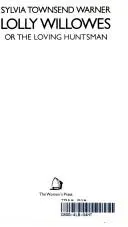
Laura Willowes is quietly absorbed into her brother’s household until she abandons respectable family life for a village where something uncanny awaits her. Warner’s magic, like Ingalls’s, is not escapist decoration: it gives literal form to a woman’s refusal to remain useful, grateful, and unseen.
First published in 1926—and chosen as the inaugural Book-of-the-Month Club selection—it has endured as a sly feminist classic. Its wit is cool, its supernatural turn wonderfully matter-of-fact, and its anger so elegantly controlled that the book can seem almost gentle until you realize how radical it is. Anyone who loved Dorothy’s secret awakening should meet Laura Willowes.
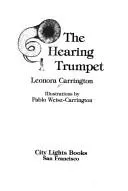
Ninety-two-year-old Marian Leatherby is sent to an institution whose grotesque buildings, occult mysteries, and despotic management become stranger by the page. Carrington treats every escalation with serene comic confidence, creating the same exhilarating tension Ingalls does between an absurd world and a heroine whose perceptions are perfectly sound.
But the novel’s cult reputation rests on more than surrealist spectacle. It is fiercely devoted to female friendship, old women’s unruly inner lives, and liberation from the roles assigned by families and institutions. Funny, apocalyptic, and impossible to domesticate, it feels like discovering an entire rebellious tradition hidden behind Mrs. Caliban.
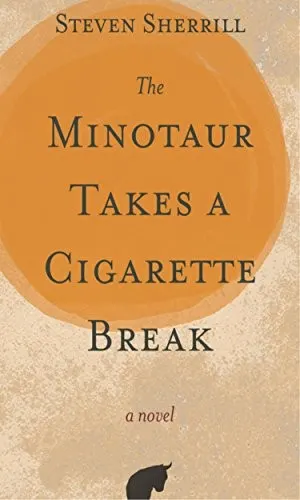
Sherrill’s Minotaur has survived into the modern American South, where he works as a restaurant cook, repairs cars, and tries to navigate loneliness inside a body other people cannot see without fear. The premise could have become a joke; instead Sherrill writes with grave, tactile tenderness about work, desire, shame, and the difficulty of being touched.
This cult novel approaches Ingalls’s achievement from the creature’s side. Its mythic being is neither metaphor nor spectacle but a vulnerable person embedded in fluorescent, grease-stained daily life. The result is strange without whimsy and moving without sentimentality—a book that makes the category of “monster” seem like one more failure of human sympathy.