Author
Books like Peter Matthew Hillsman Taylor
3 books we recommend to Peter Matthew Hillsman Taylor readers, drawn from A Summons to Memphis — each with the reason why.
If you loved A Summons to Memphis
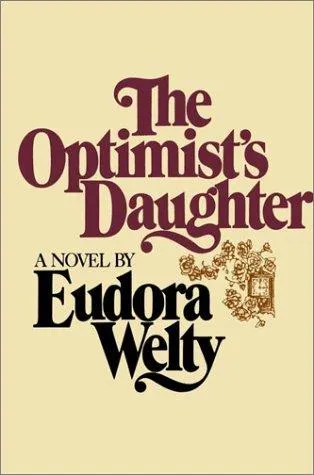
Laurel returns to attend her ailing father and finds herself confronting his abrasive second wife, a woman who seems to violate every family standard of taste and conduct. Welty understands, as Taylor does, that refinement can be both a genuine moral value and a weapon used to exclude, punish, and avoid understanding.
This Pulitzer Prize winner is brief but extraordinarily concentrated. A gesture, an inherited object, or a remembered phrase can overturn Laurel’s settled account of her parents and herself. Its Southern world is not the chief resemblance to Taylor; the deeper kinship lies in the painful discovery that filial devotion is inseparable from judgment, vanity, and invention. Few novels bring a family’s buried emotional history to the surface with such delicacy or force.
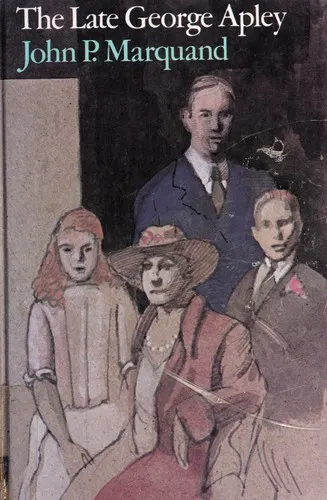
George Apley’s life is reconstructed by an admiring family biographer from letters and approved anecdotes. The biographer intends a dignified monument; Marquand lets the evidence quietly expose the confinement, thwarted desire, and inherited fear concealed inside that dignity.
Apley’s Boston Brahmin world differs sharply from Taylor’s Memphis, but both novels derive their devastating comedy from people who mistake social propriety for moral innocence. The gap between what is said and what the reader understands becomes almost unbearably sharp. Marquand’s novel won the Pulitzer and remains his masterpiece: a satire so humane that its apparent target gradually becomes a tragic, fully felt person.
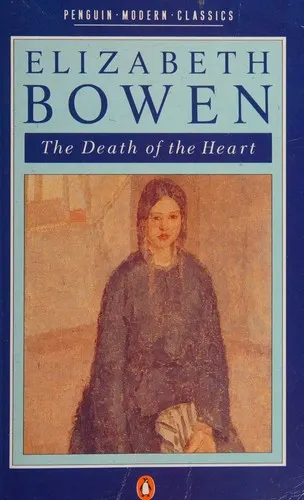
Sixteen-year-old Portia comes to live with her sophisticated half-brother and his wife in London. She watches them closely and records what she sees; they, meanwhile, treat her unguarded feeling as an awkward intrusion into a household built on tact, evasion, and emotional self-protection.
Bowen gives conversation the dangerous precision Taylor gives family memory. Every courtesy has a pressure point, and every adult explanation conceals some mixture of guilt and self-interest. Yet the novel never settles for a simple contest between innocence and corruption: Portia’s honesty can wound, while the adults’ evasions sometimes look like the only defenses they possess. One of Bowen’s defining achievements, it is the rare novel that makes emotional restraint as suspenseful as action—and leaves ordinary family phrases permanently altered.