Author
Books like N. Scott Momaday
3 books we recommend to N. Scott Momaday readers, drawn from House Made of Dawn — each with the reason why.
If you loved House Made of Dawn
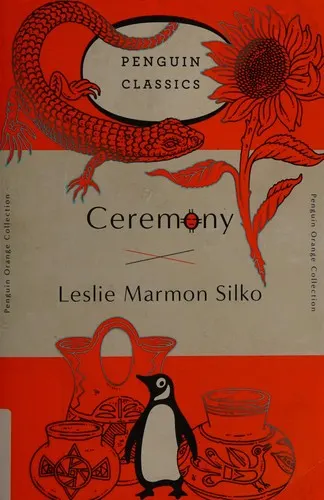
Tayo comes home from World War II sick in body and spirit, but Silko refuses to reduce his suffering to either combat trauma or cultural conflict. Poetry, story, memory, and daily life interweave until healing becomes something larger than an individual cure: a renewed relationship with community, history, and the living world.
Like Momaday, Silko asks the reader to surrender ordinary expectations of chronology and realism. Her repetitions accumulate ritual force, while the New Mexico landscape acts not as scenery but as knowledge. First published in 1977, Ceremony became a foundational novel of contemporary Indigenous literature because its formal daring is inseparable from its moral vision. It is the essential next book—not a copy of House Made of Dawn, but its great companion.
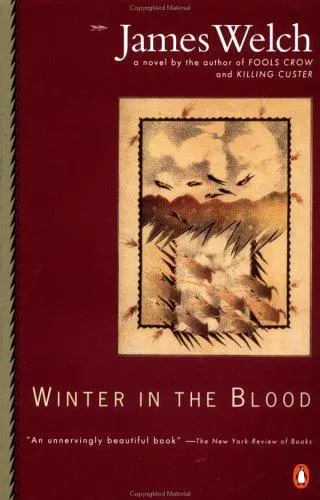
Welch’s unnamed narrator drifts through bars, roads, family tensions, and memories with a detachment so dry it can be bleakly funny. Beneath that laconic voice lies a profound severance: from intimacy, from family history, even from his own grief. Welch writes what numbness feels like without explaining it away.
Where Momaday’s prose rises toward incantation, Welch pares language down to hard, bright fragments. Yet both novels trust landscape, silence, and remembered story to reveal what their protagonists cannot say directly. Winter in the Blood has earned fierce devotion as a modern American classic because its apparent spareness conceals extraordinary emotional depth. Its final effect is quiet, strange, and devastating.
Tracks opens amid epidemic, hunger, and the threatened loss of Ojibwe land, then tells its story through two voices that cannot be reconciled: Nanapush, wily and expansive, and Pauline, severe, wounded, and increasingly consumed by her own convictions. Their contradictions make truth feel communal, unstable, and alive.
A reader drawn to Momaday’s mingling of sacred presence with historical violence will recognize Erdrich’s refusal to separate the spiritual from the material. But her gifts are distinctly her own: black comedy, narrative seduction, unforgettable characters, and a polyphonic structure in which every account carries both insight and distortion. Tracks is among the novels that established Erdrich as a major American writer; missing it means missing one of fiction’s most powerful demonstrations that storytelling can be at once testimony, contest, survival, and spell.