Author
Books like Michelle Paver
3 books we recommend to Michelle Paver readers, drawn from Dark Matter — each with the reason why.
If you loved Dark Matter

Like Dark Matter, this is a beautifully controlled account by a rational man who discovers that isolation has its own malign intelligence. Young solicitor Arthur Kipps travels to an exposed house beyond a tidal causeway, where ordinary professional duties begin to feel dangerously inadequate.
Hill’s prose is spare, lucid and steeped in weather; she understands that a distant figure or an unexplained silence can be more frightening than spectacle. Now regarded as a modern classic of the English ghost story, the novel earns its reputation through precision: every detail tightens the trap. If Gruhuken’s accumulating dread held you transfixed, Eel Marsh House is essential.
Hurley turns a bleak stretch of Lancashire coast into a place as powerfully hostile and unknowable as Paver’s Arctic. An unnamed narrator recalls an Easter pilgrimage undertaken with his devout family and his vulnerable brother, but the landscape—mudflats, tides, ruined buildings—seems governed by older beliefs than theirs.
What links the novels most deeply is their patience. Hurley lets unease collect in gestures, omissions and half-understood rituals, while tenderness and guilt give the horror emotional weight. First issued in a tiny edition before winning the Costa First Novel Award, The Loney became a word-of-mouth phenomenon for good reason: its atmosphere does not lift when the book is closed.
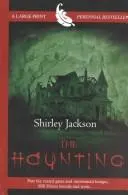
Paver’s haunting works because it finds the precise weakness in Jack: his loneliness, resentment and longing to belong. Shirley Jackson performs the same ruthless operation on Eleanor Vance, who joins a small group investigating a reputedly haunted house and discovers that Hill House appears to understand her needs.
This is not simply a famous haunted-house novel; it is the book that taught generations of writers how unstable perception, social awkwardness and architecture can become one instrument of terror. Jackson’s wit makes the company vivid, while her sentences quietly remove every secure interpretation. Readers still argue over what happens there, but few forget how intimately Hill House seems to address them.