Author
Books like Maryna Dyachenko-Shyrshova
3 books we recommend to Maryna Dyachenko-Shyrshova readers, drawn from Vita Nostra — each with the reason why.
If you loved Vita Nostra
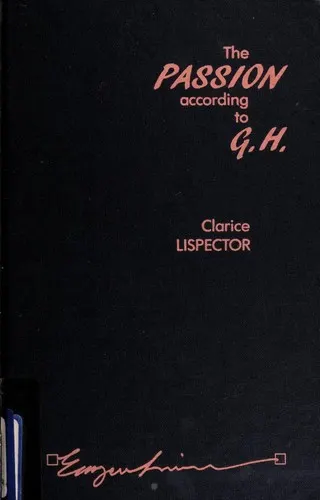
A wealthy sculptor enters her former maid’s room, encounters a cockroach, and begins to lose every reassuring distinction between self and world. Almost the entire novel occurs inside that confrontation, rendered in prose that seems to think beyond the limits of thought.
Like Vita Nostra, Lispector’s masterpiece treats revelation as bodily, humiliating, and irreversible. Its narrator does not acquire wisdom so much as undergo a terrifying revision of what a human being is. Lispector is one of the defining writers of twentieth-century Brazilian literature, and this is among her most fiercely admired books. If Sasha’s education felt less like learning than metaphysical surgery, G.H.’s ordeal is indispensable.
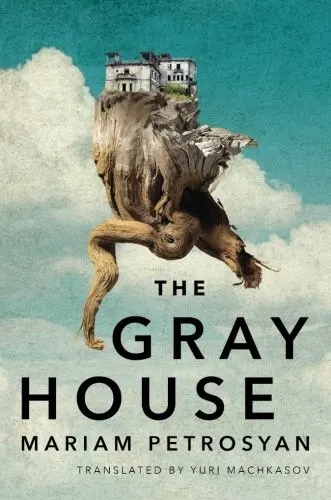
The House is a boarding school for disabled children, but Petrosyan makes it feel like a sovereign civilization: its residents have names, factions, rituals, legends, and fiercely guarded ways of perceiving reality. Newcomers—and readers—must learn its grammar without ever receiving a reliable explanation.
The kinship with Vita Nostra lies not merely in the institutional setting but in the experience of initiation. Both novels make confusion productive: patterns slowly become visible, ordinary categories stop holding, and belonging carries the threat of transformation. Petrosyan’s enormous, singular novel became a cult phenomenon, inspiring unusually devoted readers because the House feels less invented than entered. Finishing it can feel like waking from a life lived elsewhere.
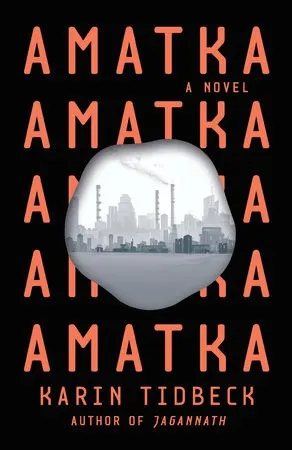
Vanja travels to the austere colony of Amatka to conduct market research. There she discovers that objects must be repeatedly named and labeled: without disciplined language, matter itself may cease to remain dependable.
Tidbeck takes one of Vita Nostra’s most exhilarating ideas—the possibility that words do not describe reality but constitute it—and builds an unnervingly spare novel around it. Bureaucratic slogans, product names, forbidden speech, and private longing all become parts of the same ontological struggle. Where the Dyachenkos are feverish and labyrinthine, Tidbeck is cold, compressed, and exact; every plain sentence seems to conceal a crack in the world. It is the rare linguistic dystopia whose central conceit becomes stranger, rather than smaller, the more seriously it is pursued.