Author
Books like Margaret Mitchell
3 books we recommend to Margaret Mitchell readers, drawn from Gone with the Wind — each with the reason why.
If you loved Gone with the Wind
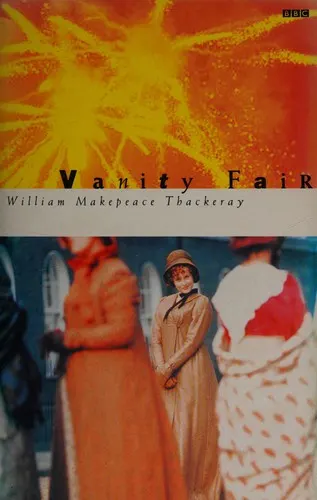
In Becky Sharp, Scarlett has a brilliant literary foremother: clever, socially voracious, morally flexible, and far too alive to behave as respectable people demand. Beginning with Becky’s departure from school, Thackeray lets her charm and calculate her way through a society obsessed with money, marriage, and rank.
Like Mitchell, Thackeray makes complicity part of the pleasure. You may deplore Becky’s choices while impatiently waiting to see what she will dare next. Vanity Fair is sharper and more comic than Gone with the Wind, but it offers the same rare thrill of a heroine whose flaws do not diminish her magnetism. Its satire has remained potent since 1848 because Becky never becomes a lesson; she remains an irresistible event.
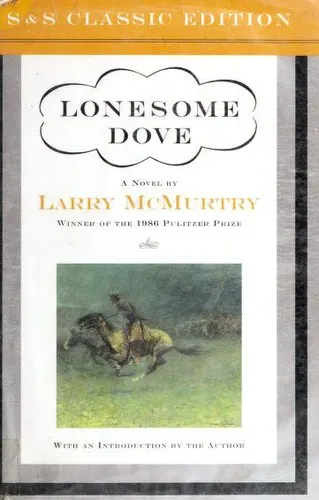
Read this for the immense, inhabited world Mitchell created around Scarlett. McMurtry begins in a dusty Texas border town, among former Rangers contemplating a cattle drive north, then gradually turns their undertaking into an epic of friendship, longing, courage, vanity, and historical change.
The Pulitzer Prize–winning novel has inspired unusually fierce reader devotion because its people cease to feel invented. Its humor is earthy, its dangers unsentimental, and its landscape both magnificent and indifferent. Like Gone with the Wind, it understands that an era does not disappear abstractly: it vanishes through particular homes, habits, loyalties, and lives. By the end, Lonesome Dove feels less like a story you have read than a place you once lived.
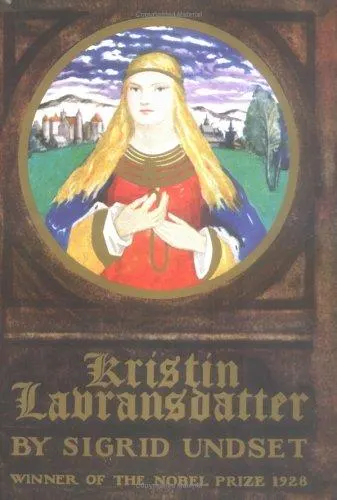
If Scarlett’s mixture of passion, stubbornness, appetite, and costly self-determination is what holds you, Kristin Lavransdatter is indispensable. Undset follows a strong-willed woman in medieval Norway whose desires collide with family duty, faith, marriage, and the stubborn realities of daily life. Kristin is neither idealized nor punished into simplicity; she is allowed the full weight of her contradictions.
Undset renders households, farms, feasts, religion, childbirth, and social obligation with extraordinary physical immediacy, yet the book never feels like a museum piece. Its history is lived from inside, as it is in Mitchell’s best passages. This monumental work helped establish the reputation that brought Undset the Nobel Prize, but its greatness is intimate: few novels make one woman’s choices feel so consuming, consequential, and real.