Author
Books like Magnus Mills
3 books we recommend to Magnus Mills readers, drawn from The Restraint of Beasts — each with the reason why.
If you loved The Restraint of Beasts
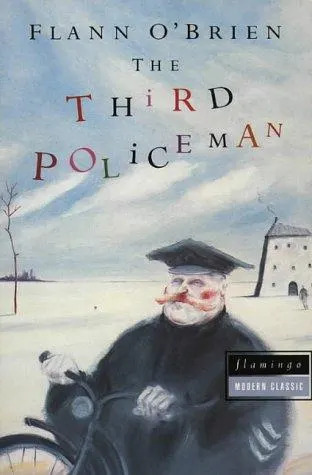
A nameless narrator, implicated in a murder from the outset, enters a rural police station where every conversation obeys an impeccable logic that happens to be insane. Like Mills, O’Brien lets absurdity emerge through solemn discussions of ordinary matters; his policemen’s fixation on bicycles has the same mesmerizing force as Tam and Richie’s talk of posts, tools and pints.
Rejected for publication during O’Brien’s lifetime, the novel became a cult classic because its comedy conceals an astonishingly precise nightmare. It is wilder and more metaphysical than Mills, but just as economical, circular and deadpan—the missing link between bureaucratic farce and existential horror.
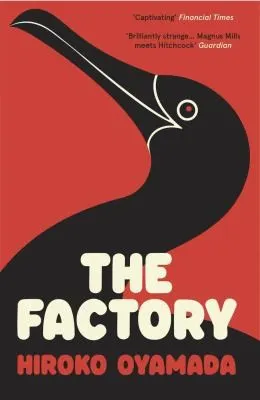
Three workers take jobs at a vast industrial complex: one shreds documents, one proofreads incomprehensible material, and one studies moss. Oyamada understands, as Mills does, that work becomes funniest and most disturbing when nobody can explain its larger purpose, yet everyone continues performing it conscientiously.
The prose is cool, plain and almost aggressively undramatic; meanwhile, the factory expands in the imagination until it seems to contain an entire world. This compact Japanese novel has become a touchstone of contemporary workplace fiction, and its strange animals, blurred responsibilities and creeping loss of time will feel uncannily familiar to anyone who enjoyed watching Mills turn fence-building into a philosophy of captivity.
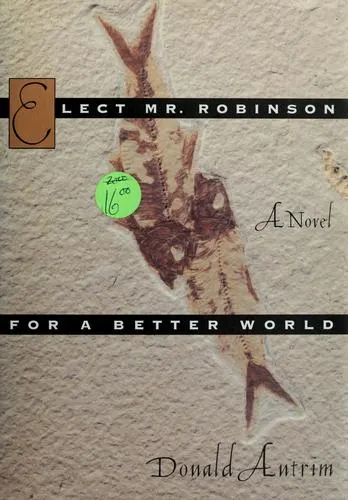
Donald Antrim begins with civic improvement: a former schoolteacher decides to run for mayor of a small town. Unfortunately, the townspeople approach public safety, education and community spirit with a courteous ingenuity that keeps producing barbarism. The narrator describes it all in the reasonable tones of a man presenting sensible proposals.
That collision between good manners and casual brutality is pure catnip for a Mills reader. Yet Antrim’s cult debut has its own feverish energy: suburban committees replace work crews, and optimism itself becomes menacing. Short, viciously controlled and unlike almost anything else in American fiction, it is the sort of black comedy whose images lodge in the mind long after its impeccably polite voice falls silent.