Author
Books like Lewis Elliott Chaze
3 books we recommend to Lewis Elliott Chaze readers, drawn from Black Wings Has My Angel — each with the reason why.
If you loved Black Wings Has My Angel
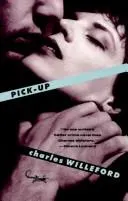
Harry Jordan meets Helen Meredith in a San Francisco bar, and two damaged strangers begin a love affair sustained by alcohol, poverty, mordant jokes, and a strange mutual solicitude. Like Tim and Virginia, they are neither innocent victims nor glamorous rebels: they recognize the wreckage in each other and make it briefly resemble refuge.
Willeford’s prose is leaner and more deadpan than Chaze’s, but he has the same gift for finding beauty in sordid rooms without sentimentalizing anyone inside them. Long treasured as a cult noir, Pick-Up is intimate, bitterly funny, and genuinely upsetting—the kind of paperback-sized novel that leaves a disproportionately large bruise.
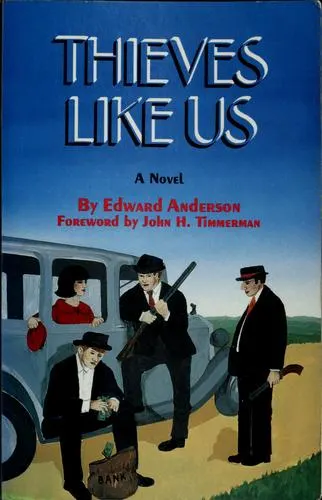
Three escaped prisoners begin robbing banks across Depression-era America, but Anderson’s real subject is the fragile private world one young outlaw tries to build amid the noise of pursuit. He treats criminals from the inside, as working people with habits, loyalties, appetites, and badly distorted hopes—not as machinery for a crime plot.
That humane attention is precisely what gives Black Wings Has My Angel its ache. Both novels understand that stolen money represents more than greed: it is a desperate wager that freedom can be purchased before the past collects its debt. Admired by Raymond Chandler and adapted by both Nicholas Ray and Robert Altman, Thieves Like Us is one of American noir’s foundational novels, yet it retains the raw, confidential power of something discovered rather than assigned.
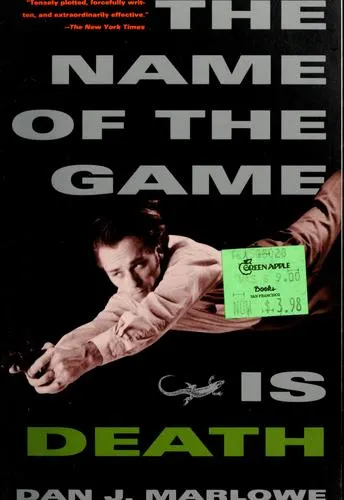
If the armored-car scheme in Chaze’s novel held you as tightly as its romance, read Marlowe. His unnamed narrator is a professional bank robber forced to track down a missing partner and the money that vanished with him. He approaches violence, aliases, travel, and suspicion with chilling practical intelligence; every detail feels handled rather than researched.
But this cult landmark of paperback noir is not merely efficient. Its first-person voice has the same dangerous intimacy as Tim Sunblade’s: lucid, self-justifying, watchful, and gradually revealing depths the narrator cannot fully control. Marlowe strips the criminal dream to its engine—will, appetite, and the refusal to submit—and produces a novel so fast and hard that its psychological aftershock arrives only when you have already finished it.