Author
Books like Leslie Feinberg
3 books we recommend to Leslie Feinberg readers, drawn from Stone Butch Blues — each with the reason why.
If you loved Stone Butch Blues
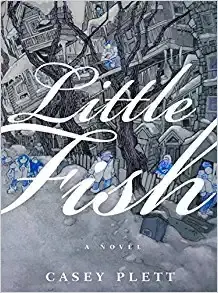
Wendy Reimer, a trans woman in Winnipeg, learns that her late Mennonite grandfather may also have been trans. Her search for the truth unfolds amid precarious work, drinking, friendship, sex, faith, and a winter that seems to press physically against everyone in the novel.
Like Feinberg, Plett understands that identity cannot be separated from money, geography, family history, or the daily work of staying alive. Her characters are difficult, funny, mutually sustaining people—not symbols of progress. The Lambda-winning Little Fish is one of the essential trans novels of its generation, and its vision of lives erased before they could be named makes it feel like a younger, intimate counterpart to Stone Butch Blues.
After celebrated jazz trumpeter Joss Moody dies, the private truth of his gender becomes public property. Kay tells the story through a chorus of voices: Joss’s widow, their son, acquaintances, officials, and a journalist eager to turn a human life into sensation.
The kinship with Stone Butch Blues lies in its insistence that outsiders do not possess the final truth about a gender-nonconforming life. Against paperwork, voyeurism, and betrayal, Kay sets the authority of love: the knowledge created by sharing a home, a bed, and years together. Winner of the Guardian Fiction Prize, Trumpet is formally elegant but emotionally direct—a devastating defense of the difference between knowing someone and merely exposing them.
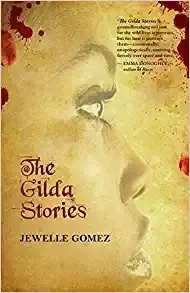
Gomez begins with an enslaved girl escaping into the refuge of a women-run brothel in 1850s Louisiana, then gives her a life extending far beyond an ordinary human span. The supernatural premise opens into something deeply recognizable: a queer woman learning how to survive without reproducing the violence that made survival necessary.
Where Stone Butch Blues records a history repeatedly broken by brutality, The Gilda Stories imagines queer lineage as continuity—knowledge, names, shelter, and ethical obligations passed from one outsider to another. Its Black lesbian heroine moves through history seeking community rather than conquest. A two-time Lambda winner that has become a foundational work of queer speculative fiction, it offers the rare exhilaration of seeing the people history tries to erase inherit the future.