Author
Books like Leonora Carrington
3 books we recommend to Leonora Carrington readers, drawn from The Hearing Trumpet — each with the reason why.
If you loved The Hearing Trumpet
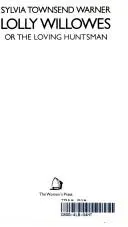
Laura Willowes is treated as a transferable piece of family property: after her father dies, she is absorbed into her brother’s household and expected to remain gratefully useful. Her quiet refusal leads her toward the village of Great Mop, where pastoral calm acquires an occult undertow.
Like Carrington, Warner makes female liberation funny, uncanny, and gloriously unreasonable. Her dry, exact prose never strains for whimsy; it simply allows rebellion to become supernatural. Warner’s 1926 debut was the first Book-of-the-Month Club selection and has endured as a foundational feminist novel. Anyone who cheered Marian Leatherby’s escape from other people’s definitions should meet Laura Willowes.
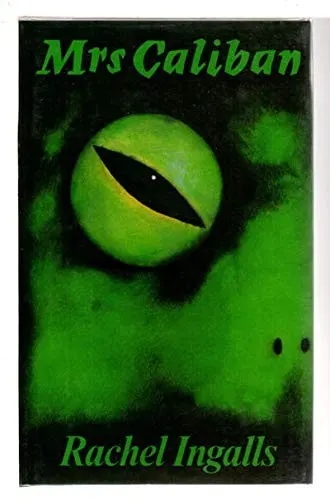
Dorothy is marooned in a dead marriage when an amphibious creature escapes from a research institute and enters her kitchen. Ingalls presents this astonishing visitor with such domestic composure that preparing him avocado and helping him hide feel as plausible as washing dishes.
That matter-of-fact hospitality toward the impossible is pure kinship with The Hearing Trumpet. So is the novel’s sympathy for beings classified as inconvenient, irrational, or monstrous. Yet beneath its deadpan comedy lies fierce writing about loneliness, desire, and the secret life a woman constructs beyond social permission. Neglected after its 1982 publication, this tiny novel acquired a passionate following and is now recognized as a singular modern classic. It achieves more in roughly a hundred pages than most novels dare in four hundred.
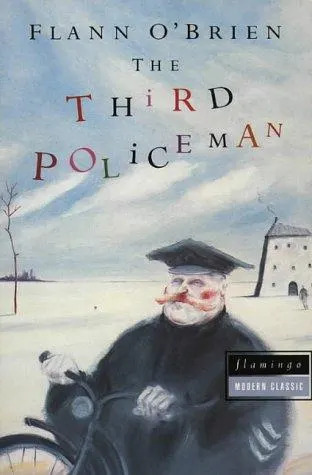
A nameless scholar obsessed with the crackpot philosopher de Selby becomes entangled in a crime and wanders into an Irish police station where bicycles may exchange molecules with their riders, measurements become metaphysics, and every explanation opens a deeper trapdoor.
O’Brien shares Carrington’s rare ability to build an entire cosmology out of jokes—and then make the jokes genuinely unsettling. His policemen speak with bureaucratic certainty while reality mutates around them, much as Carrington’s institutions collapse under the pressure of their own absurd logic. Rejected during O’Brien’s lifetime and published posthumously in 1967, The Third Policeman became one of the great cult comic novels of the twentieth century. Its peculiar laws will lodge in your mind until ordinary bicycles start looking suspicious.