Author
Books like Leonard Gardner
3 books we recommend to Leonard Gardner readers, drawn from Fat City — each with the reason why.
If you loved Fat City
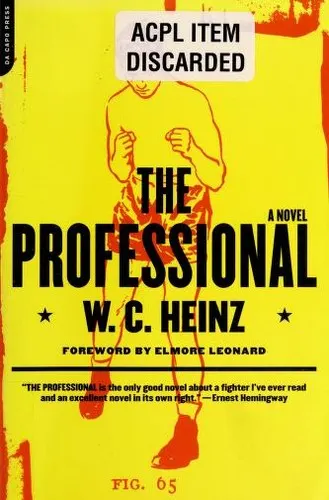
Heinz’s 1958 classic is the essential companion to Fat City not simply because it concerns boxing, but because it understands boxing as labor: roadwork, waiting, damaged hands, small tactical adjustments, and the knowledge that a body is a livelihood already wearing out. Its veteran middleweight, Eddie Brown, approaches a title fight without the usual mythology of redemption; Heinz is interested in discipline, accumulated fatigue, and the uneasy dependence between fighter, trainer, and manager.
The prose is clean, observant, and utterly free of ringside bombast. Elmore Leonard called it the best novel about a prizefighter he had read, and its reputation among sportswriters and boxers has endured because it gets both the craft and the emotional weather right. If Gardner made you feel the terrible distance between wanting another chance and being able to use one, Heinz belongs beside him.

Gardner’s men keep mistaking motion for escape; Frederick Exley’s fictionalized alter ego turns that failure into a ferocious, darkly comic voice. He drinks, boasts, collapses, and attaches himself to professional football because spectatorship offers the borrowed grandeur his own life lacks. The result is not a tasteful portrait of disappointment but an intimate encounter with a man intelligent enough to diagnose his ruin and vain enough to continue arranging it.
Published in 1968, A Fan’s Notes became a cult novel because readers recognized something painfully exact in its mixture of self-laceration, masculine fantasy, and helpless yearning. It is louder and more unruly than Fat City, but it shares Gardner’s refusal to divide the defeated into innocent victims and contemptible losers. Exley makes failure funny, appalling, and heartbreakingly articulate; once his voice gets hold of you, other novels about self-destruction can seem evasive.
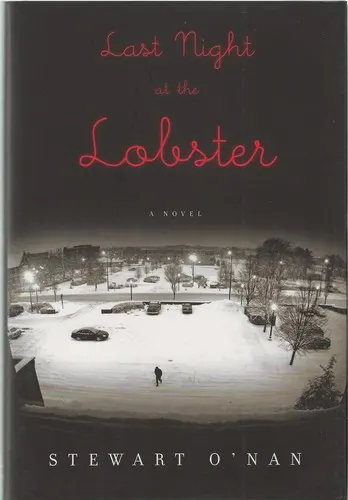
On the final day of a closing chain restaurant, manager Manny DeLeon tries to keep a depleted staff working through a snowstorm. That modest premise gives O’Nan room to notice everything grander novels overlook: the choreography of opening a kitchen, grudges carried through a shift, corporate euphemisms, customers who arrive at the worst moment, and the pride involved in doing a job well after the job has ceased to value you.
Like Gardner, O’Nan never begs for sympathy. His sentences are plain and exact, and Manny’s hopes remain tangled with compromises, romantic longing, and managerial obligation. This slim, widely admired novel has become a touchstone of American writing about work because it sees service labor from inside rather than using it as scenery. It delivers the same quiet devastation as Fat City: lives do not have to be spectacularly ruined to contain tragedy, and persistence can be both futile and honorable.