Author
Books like Lauren Weisberger
3 books we recommend to Lauren Weisberger readers, drawn from The Devil Wears Prada — each with the reason why.
If you loved The Devil Wears Prada
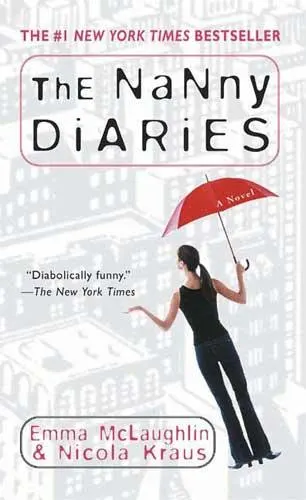
Like The Devil Wears Prada, this bestselling satire understands that proximity to wealth is not the same as possessing power. Nan enters an impeccably furnished Manhattan household and discovers that her employers’ luxury depends on workers absorbing every inconvenience, humiliation, and emotional crisis.
McLaughlin and Kraus, both former nannies, fill the comedy with incriminatingly precise details: contradictory demands, weaponized etiquette, and the expectation that an employee remain endlessly available yet nearly invisible. Beneath the delicious caricature lies real anger about service work and the compromises required to survive it. If Miranda Priestly’s impossible instructions made you laugh while raising your blood pressure, the X family awaits.
Tina Fontana is the capable, underpaid assistant to a media titan—and one administrative mistake presents her with an irresistible way out of debt. What begins as a private moral compromise rapidly becomes something larger, forcing Tina to decide what she owes her employer, her fellow assistants, and herself.
Perri gives the put-upon assistant genuine agency without pretending that rebellion is simple. The result is brisk, sly, and immensely satisfying: a caper powered by expense reports, salary disparities, and the fury of competent women asked to feel grateful for scraps. It delivers the revenge fantasy lurking beneath every scene in which Andy Sachs is told that a ridiculous demand is an extraordinary opportunity.
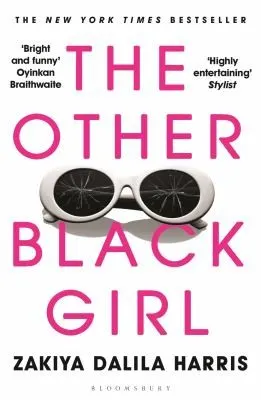
Nella Rogers has endured years as the only Black employee in her publishing office when another Black woman is finally hired. Her relief soon curdles into unease, and Harris turns ordinary workplace rituals—mentoring, networking, office gossip, carefully calibrated comments—into instruments of suspense.
This much-discussed debut pushes the poisonous glamour of the dream job into darker territory, blending corporate satire with psychological horror. Like The Devil Wears Prada, it is acutely alert to dress, speech, access, and the unwritten rules determining who gets welcomed into elite rooms. But Harris adds a bracing examination of race, tokenism, and professional self-fashioning. After reading it, no cheerful office welcome will ever seem entirely innocent again.