Author
Books like Katherine Dunn
3 books we recommend to Katherine Dunn readers, drawn from Geek Love — each with the reason why.
If you loved Geek Love
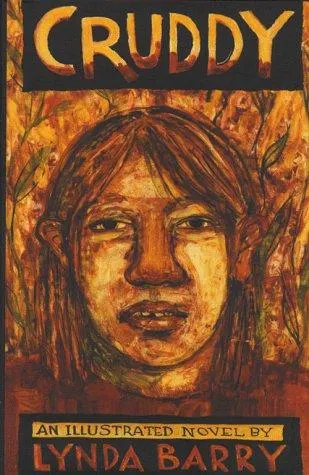
Roberta Rohbeson begins writing the story of a murderous road trip with her father in a school notebook, and her narration is instantly feral: funny, filthy, wounded, and startlingly precise. Like Dunn, Barry understands that abused children do not experience horror in tidy moral categories. Terror can be ordinary, loyalty can attach itself to the undeserving, and jokes can be survival equipment.
Barry’s illustrations make the novel feel like a damaged artifact you have found rather than a polished story you have been told. Long cherished as a cult classic, Cruddy inspires the same protective fervor as Geek Love because its ugliness never cancels its tenderness. Roberta’s voice is not one you merely admire; it gets into your bloodstream.
Cassie is born with her stomach tied in a knot—a literal bodily condition that Etter treats simultaneously as anatomy, inheritance, constraint, and metaphor. From that premise she builds a hallucinatory account of womanhood in which doctors, relatives, employers, and lovers all presume the right to define what a body means.
Where Geek Love turns bodily difference into spectacle and family mythology, The Book of X renders it through icy, dreamlike fragments: meat, tunnels, desire, shame, and impossible transformations. The style is spare rather than carnivalesque, but the emotional effect is similarly destabilizing. Winner of the Shirley Jackson Award, it has become a touchstone of contemporary surrealist fiction about embodiment. It is short, singular, and liable to make ordinary realism feel inadequate afterward.
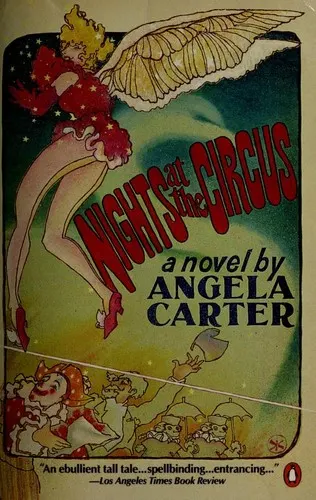
Sophie Fevvers, an aerialist who claims to have hatched from an egg, sits before a skeptical American journalist and narrates herself into magnificence. Carter’s great question is not whether Fevvers is genuine, but who gets to manufacture the truth of an extraordinary body—and who profits from looking at it.
That makes this far more than another circus novel. Fevvers offers a thrilling counterpoint to Dunn’s Binewskis: she understands spectacle as a contest for authorship and fights to control the gaze trained upon her. Carter’s prose is lush, bawdy, intellectually playful, and gloriously excessive; every page seems overdressed for the occasion. Winner of the James Tait Black Memorial Prize and now one of Carter’s defining novels, Nights at the Circus delivers the rare combination Geek Love readers crave: outrageous invention with a serious argument beating beneath it.