Author
Books like Justin Cronin
3 books we recommend to Justin Cronin readers, drawn from The Passage — each with the reason why.
If you loved The Passage
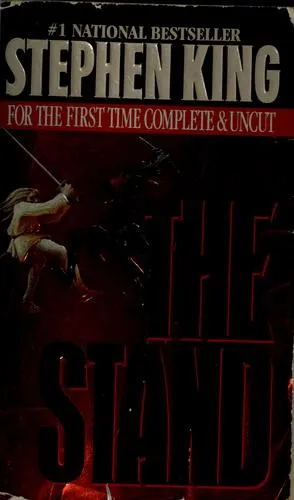
Cronin’s great achievement is making a civilization-sized catastrophe feel intensely personal; King does the same through a vast ensemble of ordinary people caught in the wake of a lethal pandemic. The horror lies not only in mass death but in the strange communities, loyalties, and moral choices that emerge afterward.
Like The Passage, it moves with the appetite of a thriller while steadily acquiring biblical weight. King gives even brief characters memorable fears and desires, then lets their separate stories gather into something monumental. One of modern horror’s defining epics, The Stand has inspired decades of unusually devoted reading because its ruined America feels less like a backdrop than a complete, inhabited world.
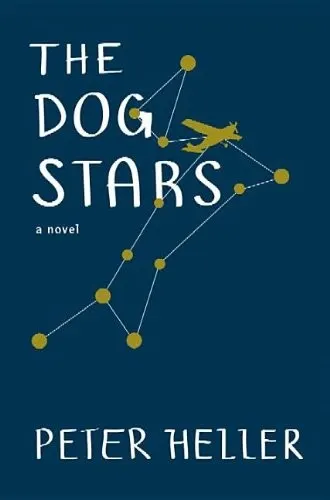
Read this for the aching human core of The Passage: grief held at bay by vigilance, companionship, and stubborn flashes of beauty. Hig survives a pandemic in an airplane hangar with a heavily armed partner, patrolling the surrounding country in an aging Cessna. His fractured, breath-catching narration makes danger immediate, but it also notices rivers, dogs, weather, and the almost unbearable memory of ordinary affection.
Heller trades Cronin’s panoramic architecture for intimacy without sacrificing suspense. The result is a lean, fiercely beloved novel that understands survival as more than staying alive: it is the risky decision to remain emotionally reachable. Readers who cared as much about Cronin’s tenderness as his monsters should not miss it.
If The Passage thrilled you by leaping beyond catastrophe into the legends and institutions built afterward, Miller’s Hugo-winning classic is essential. In a desert monastery centuries after nuclear ruin, monks preserve scraps of a lost technological civilization whose meaning they only partly understand. From that simple premise, the novel expands through three widely separated eras.
Miller combines dry comedy, theological seriousness, and a devastating sense of historical recurrence. Knowledge becomes relic, faith becomes an archive, and yesterday’s debris becomes tomorrow’s sacred story—the same transformation from remembered disaster into myth that gives Cronin’s world such depth. Few post-apocalyptic novels think on this scale, and nearly every later novel about civilization rebuilding in the shadow of its mistakes owes it something.